Why Jawai Will Ruin Every Other Safari For You — Forever
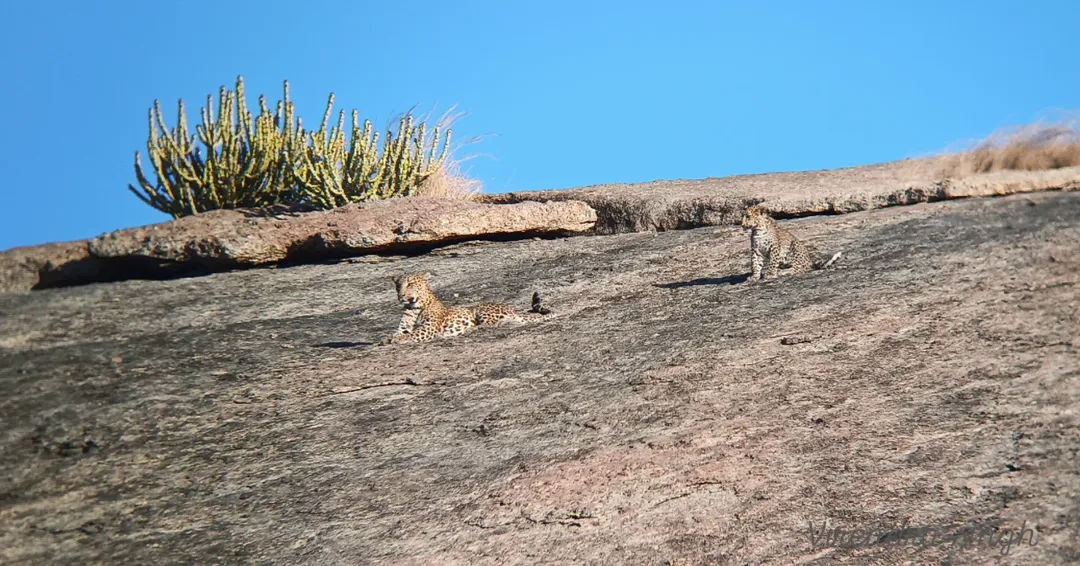
There is a very specific problem that happens to people who visit Jawai.
They go home. They go back to their normal lives — the office, the city, the daily commute, the phone screen, the thousand small demands of modern existence. And for weeks afterward, sometimes months, they find themselves doing something they cannot quite explain or stop.
They find themselves thinking about a rock.
Not just any rock. A specific granite rock on a specific hillside above the Jawai reservoir, on a specific evening when the light was doing something impossible with the sky and a leopard was lying on that rock as if she had been placed there by someone who understood exactly how beautiful a thing could be if you arranged it correctly — and she turned her head, and her golden eyes found yours across forty metres of warm Rajasthan air, and something shifted inside you that has not shifted back since.
This is the Jawai problem. And there is no cure for it.
Every Other Safari Has a Fence. Jawai Has Nothing.
Most wildlife experiences in India — and most wildlife experiences anywhere in the world — involve a boundary. A park boundary. A buffer zone. A jeep track you are not permitted to leave. A set of rules that remind you, constantly and subtly, that you are a visitor in a managed space and the wildlife you are watching exists within a system designed to contain it.
Jawai has none of this.
The leopards of Jawai do not live inside a national park. They live in the open landscape — on granite hillocks that sit between villages, beside roads that local people use every day, above fields where Rabari cattle graze every morning. There is no fence between you and the leopard. There is no fence between the leopard and the village. There is simply the landscape — shared, ancient, and entirely real.
When you watch a leopard at Jawai you are not watching an animal in a reserve. You are watching a wild animal living its actual wild life in a landscape it shares with human beings — and has shared, peacefully and completely, for centuries. That is a profoundly different experience from anything a national park can offer. And once you have felt that difference, the managed safari experience never quite satisfies in the same way again.
The Leopards Here Look Back at You
In most leopard habitats on earth, seeing a leopard at all is the achievement. A glimpse. A tail disappearing into vegetation. A set of eyes in a spotlight that blink out before you have properly registered what you are seeing. Leopards are the most secretive of the big cats — masters of invisibility, experts at being somewhere else the moment you look for them.
Not at Jawai.
The leopards of Jawai — habituated over generations to the presence of the Rabari community, to vehicles, to human movement through their territory — behave with a relaxed, proprietorial confidence that wildlife biologists find genuinely astonishing. They sit on open rock faces in full daylight. They walk along ridgelines in the golden hour with the easy, unhurried stride of animals that have never been hunted and have never learned to fear.
And they look back at you.
Not with aggression. Not with fear. With something closer to calm, intelligent curiosity — a brief assessment that concludes, correctly, that you are neither threat nor prey, followed by a return to whatever they were doing before you arrived. Being looked at by a wild leopard from ten metres — really looked at, held in that golden gaze for three or four seconds of mutual recognition — is one of the most visceral wildlife experiences available anywhere on earth.
It does not leave you quickly.
There Are Three Safaris in One Place
Most safari destinations do one thing brilliantly. Ranthambore gives you tigers in a fort landscape. Kaziranga gives you rhinos in grassland. The Sundarbans give you the idea of a tiger in a mangrove maze — the fear more than the sighting.
Jawai gives you three completely different wildlife experiences in a single location — and each one, on its own, would justify the journey.
The Leopard Safari
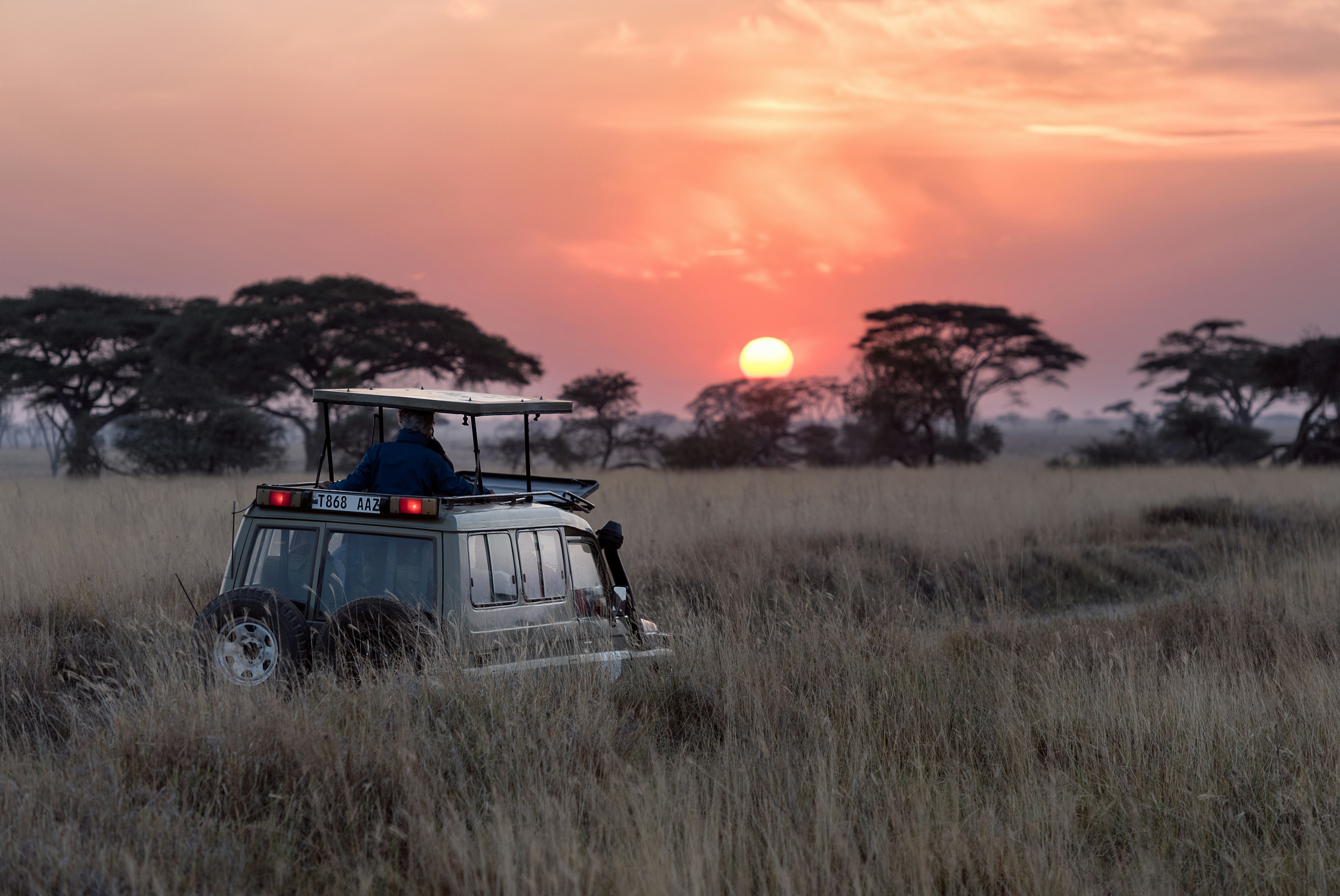
Fifty to sixty individual leopards in a relatively small area of open granite and scrub forest. The highest observable leopard density in India. Animals so relaxed in the presence of vehicles that sightings regularly last thirty minutes, an hour, longer. This alone makes Jawai one of the greatest wildlife destinations in Asia.
The Crocodile Safari
Hundreds of mugger crocodiles — some exceeding four metres in length — basking on the granite rocks along the Jawai reservoir. On a cold December morning you can count fifty crocodiles simultaneously from a single viewpoint. These are not zoo crocodiles. These are wild animals living in a natural reservoir, hunting fish, basking on rocks that have been their territory since long before the dam was built. The crocodile safari at Jawai is one of the finest reptile watching experiences in India and almost nobody outside the wildlife community knows it exists.
The Bird Safari
Over two hundred recorded bird species. Thousands of flamingos in winter — a pink cloud above still water at dawn that stops conversation and thought simultaneously. Demoiselle cranes, painted storks, herons, kingfishers, eagles, vultures — the reservoir and its surrounding scrub support a birdlife so rich and varied that dedicated birders return to Jawai year after year and still find new species on every visit. For bird photographers, Jawai in November or December is as close to paradise as this country offers.
Three safaris. One location. Two nights minimum to do it justice — though most people who come for two nights wish they had booked three.
The Rabari Will Change How You Think About Wildlife
There is a moment that happens to almost every visitor at Jawai — usually on the second morning, when the initial excitement of leopard sightings has settled into something deeper and more reflective.
You are at the reservoir at dawn. A Rabari herdsman is moving his cattle to the water. Two large crocodiles are basking on the rocks twenty metres from where the cattle will drink. The herdsman does not look at the crocodiles. The cattle do not shy away from them. The crocodiles do not move. And somewhere on the hillside above this entirely ordinary scene, a leopard is watching everything with the calm attention of a creature that has always been part of this landscape and knows it.
And you realise — slowly, and then all at once — that what you are watching is not a wildlife experience. It is a way of living.
The Rabari people of Jawai have coexisted with leopards for three centuries without a single conservation programme, without wildlife managers, without compensation schemes or electric fences or awareness campaigns. They coexist because they have chosen — generation after generation, as a matter of deep cultural and spiritual value — to share this landscape rather than own it. The leopard is their neighbour. The crocodile is part of their river. The flamingo is part of their sky.
Once you have understood what the Rabari relationship with wildlife actually means — not as a tourist attraction but as a living philosophy of coexistence — you will find yourself thinking about it in contexts far removed from Jawai. In conversations about development and conservation. In thoughts about cities and wildness. In the small daily decisions about what we share and what we take.
Jawai gives you leopard sightings. The Rabari give you something harder to name and longer lasting.
The Landscape Itself Is the Experience
Most people come to Jawai for the leopards and leave having fallen in love with something they did not expect — the landscape itself.
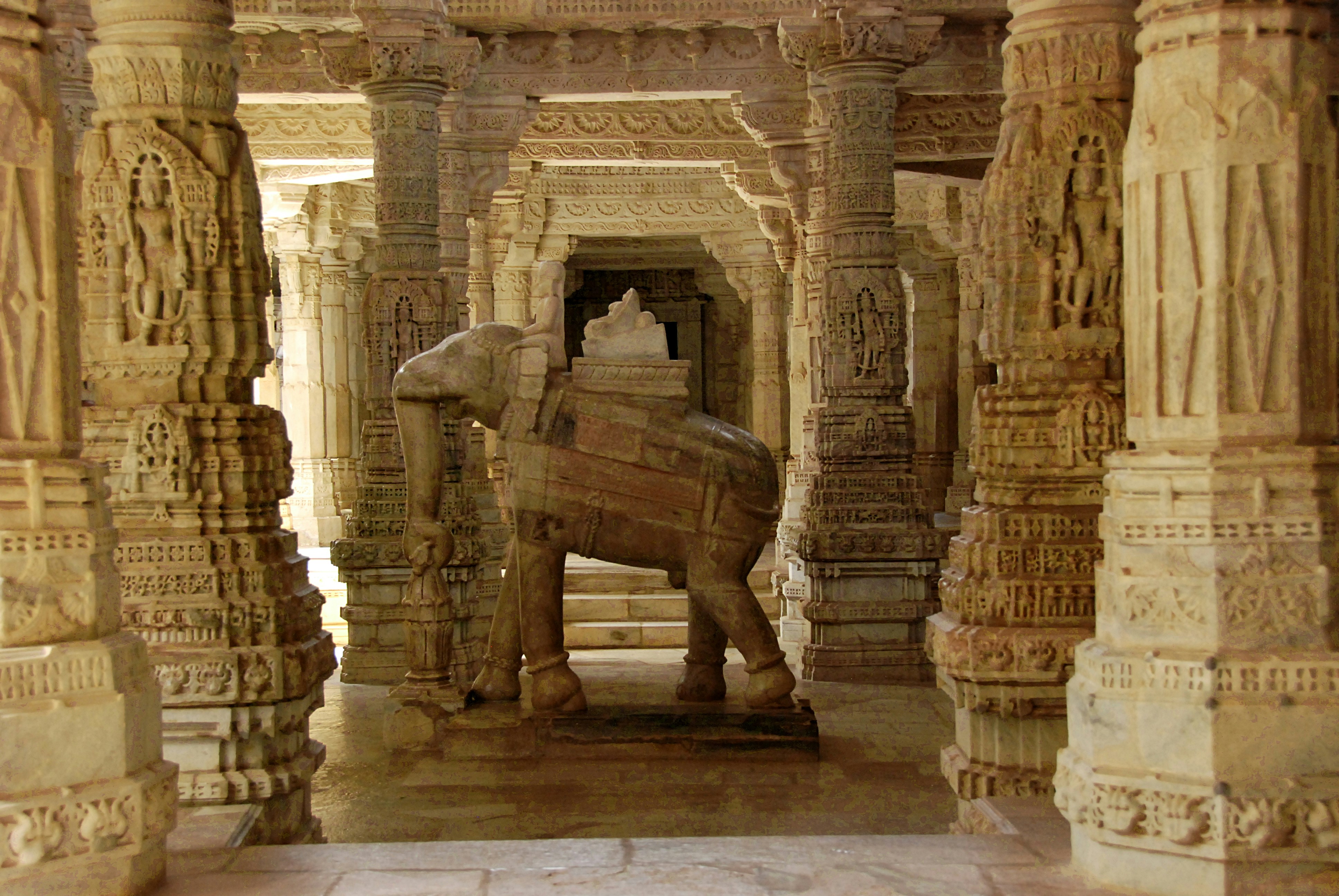
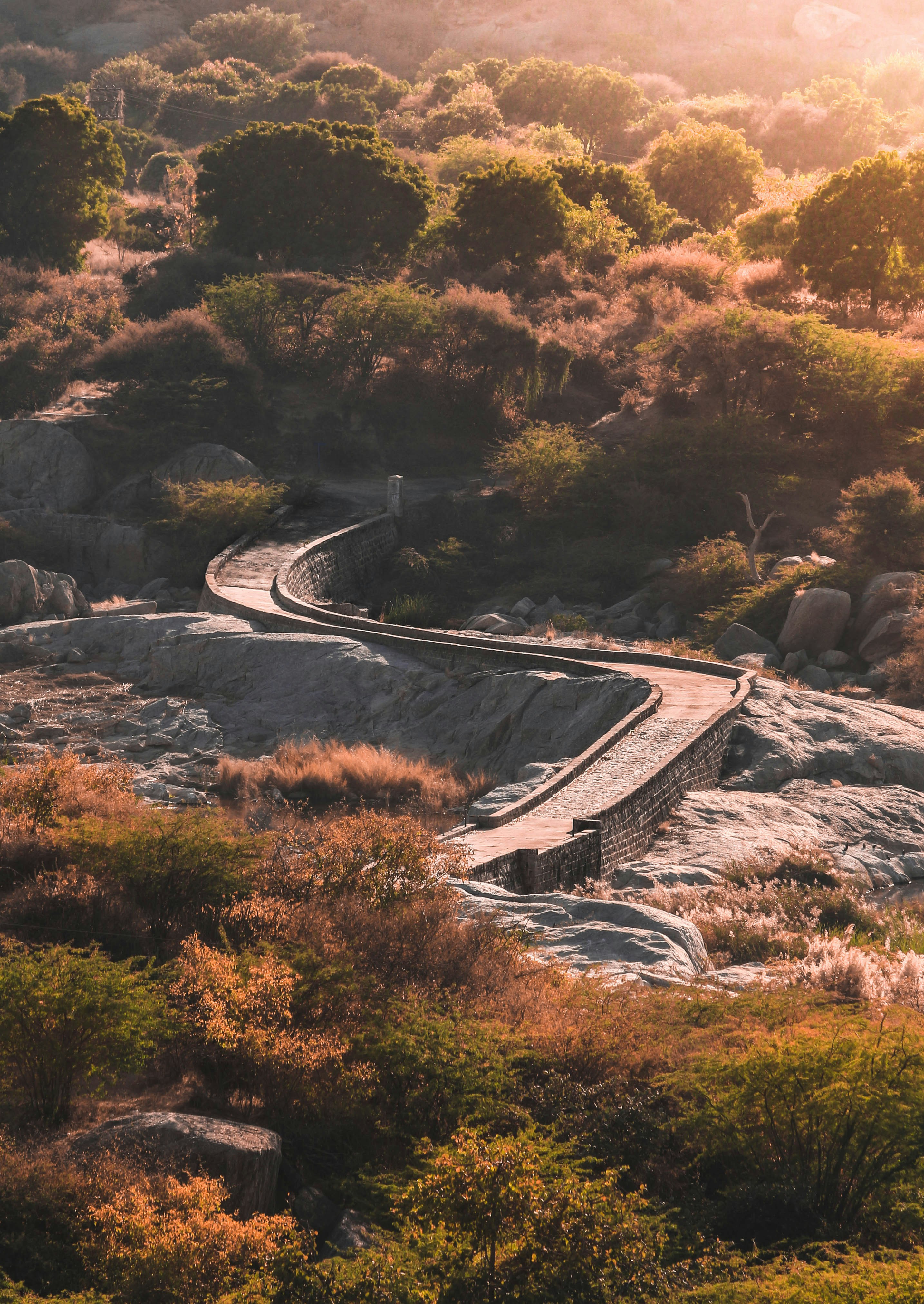
The Aravalli granite of Jawai is among the oldest exposed rock on the surface of the earth — formed over a billion years ago, shaped by forces so ancient they predate multicellular life. The rounded hillocks, the smooth rock faces, the enormous balanced boulders that seem to defy physics and gravity both — this is a landscape that makes you feel, very physically, the smallness of human time against geological time.
At dawn, when the first light hits the granite and turns it from grey to gold to something almost pink, and the reservoir below is still and dark and the flamingos are beginning to call from the water's surface — there are very few places on earth that look more like the world on the first morning of its existence.
People take photographs. Hundreds of photographs. And then they put the camera down because they have understood that the photograph will not hold what they are seeing — that some things require the full presence of a human being, not the mediation of a screen, to be properly received.
That moment of putting the camera down is, for many Jawai visitors, the most important moment of the entire trip.
You Will Try to Explain It When You Get Home
This is the final symptom of the Jawai problem — and the most universal.
You will get home. Someone will ask how the trip was. You will open your mouth and something strange will happen — the words will not come in the right order, or they will come but they will sound insufficient, or you will find yourself saying you just have to go with a conviction that surprises even you.
The photographs will be beautiful. People will like them. They will say wow and amazing and how close were you and you will answer their questions but you will know, the whole time, that the photographs are not the thing. The thing is the leopard's eyes at 6:47 PM. The thing is ten thousand flamingos and the sound of their wings in your chest. The thing is the Rabari herdsman who never once looked at the crocodiles because they were simply part of his morning.
The thing is Jawai itself — and the only way to have it is to go.
When to Go and How to Get There
- Best season: October to March — peak wildlife, cool mornings, flamingos present, leopards most active
- Peak months: November, December and January — coldest mornings mean maximum basking crocodiles, maximum flamingo numbers, most active leopard mornings
- Minimum stay: Two nights — enough for two evening safaris and two morning safaris. Three nights is better.
- How to reach: Direct trains to Jawai Bandh station from Delhi, Jaipur, Jodhpur and Ahmedabad. Nearest airports at Jodhpur and Udaipur — both 160 km away.
- Safari timing: Morning safari 6:00 AM to 9:30 AM — Evening safari 4:00 PM to 7:00 PM
- What to bring: Warm layers, binoculars, camera with telephoto lens, and absolutely no plans for the mornings
One Last Thing
Jawai is not yet overcrowded. It is not yet on every itinerary. It is not yet the kind of place where twenty jeeps converge on a single sighting and the moment is lost in the noise and the jostling for position.
It is still quiet. Still real. Still the kind of place where you can sit with a leopard for forty minutes and hear nothing except the wind on the granite and the distant sound of the reservoir and your own breathing.
Go now. Go while it is still like this.
Because once the world properly discovers Jawai — and it will — the quiet will be harder to find. And the quiet, it turns out, is half of what makes it everything it is.
Book Your Official Jawai Safari & Stay Package
Don't miss out on peak sighting hours! Reserve your authorized 4x4 gypsy safari and hotel stay with us today.
You Might Also Like