Jawai in 2 Days — The Perfect Weekend Safari Itinerary
Most people discover Jawai by accident — a friend's recommendation, a photograph that stopped them mid-scroll, a travel article that mentioned leopards living among village temples. And most people who visit for the first time make the same mistake: they do not give it enough time. Two full days at Jawai, planned correctly, will give you one of the finest wildlife weekends available anywhere in India. This itinerary shows you exactly how to use every hour. you can complete whole jawai safari tour in 1 day but you want other places near jawai then can't visited in 1 day you need 3 days to visit all near jawai areas like rankpur jain temple ,kambeshwar mandir ,har har gange temple always runing ganga continously to cow mouth and other like parsuram mahdev ,tilkeshwar mandir
Before You Arrive — What to Know
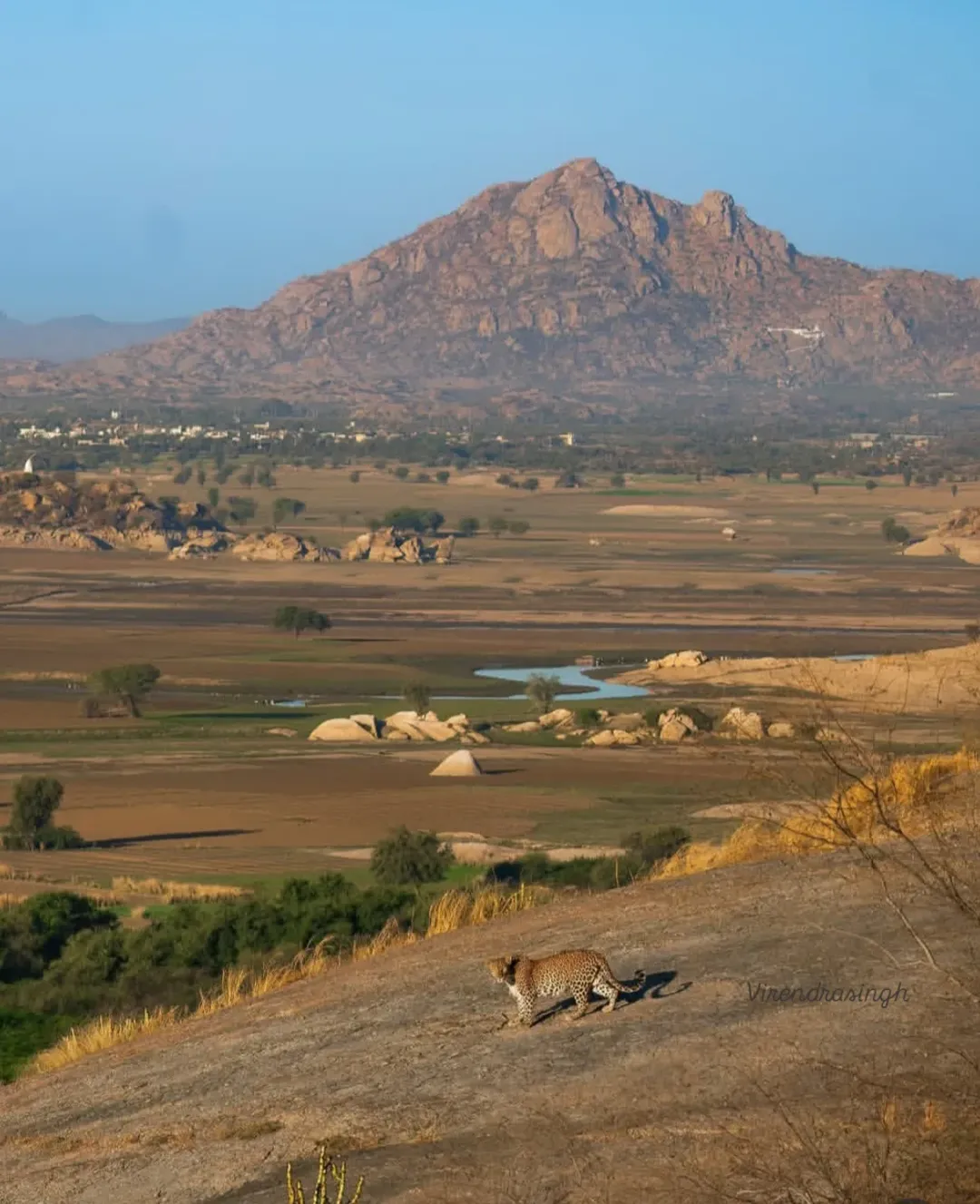
Jawai is not a national park. There are no park gates, no entry fees, no fixed safari circuits, and no restrictions on movement that you would find at Ranthambore or Sariska. The leopards of Jawai live freely across the granite hillocks of the Aravalli range, moving between the rocky outcrops, the reservoir banks, and the edges of Rabari villages without any fence or boundary separating them from human life.
This means your safari experience depends almost entirely on the quality and knowledge of your local guide. A good Jawai guide knows which leopards are currently active on which hillocks, where the crocodiles are basking that morning, which flamingo congregation is largest that week, and which Rabari families are comfortable receiving village visitors. Book your camp in advance and confirm that a dedicated naturalist guide is included — this single decision shapes your entire experience.
Getting there: Jawai Bandh is located in Pali district, Rajasthan. The nearest railway station is Jawai Bandh Railway Station on the Jodhpur-Ahmedabad line — well connected by express trains from Jodhpur (2.5 hours), Udaipur (3 hours), and Ahmedabad (4 hours). By road, Jawai is approximately 160 km from Jodhpur and 170 km from Udaipur. Most camps offer pickup from the railway station.
Day 1 — Arriving, Settling, and Your First Safari
Morning Arrival — Check-in by 12:00 PM
Aim to arrive at Jawai by late morning on Day 1. If you are travelling by train from Jodhpur or Udaipur, the morning trains reach Jawai Bandh station between 9:00 AM and 11:00 AM — ideal timing. This gives you a relaxed check-in, lunch at your camp, and time to orientate before your first afternoon safari.
Use the midday hours wisely. Talk to your guide over lunch. Ask which leopards have been seen recently and where. Ask about the current water level at the dam and what that means for crocodile and bird activity. A good naturalist guide will give you a detailed briefing that transforms your afternoon from a hopeful drive into a purposeful wildlife search.
3:00 PM — Afternoon Leopard Safari
Your first Jawai experience should be an afternoon leopard safari on the granite hillocks. Departing at 3:00 PM puts you in the field during the period when leopards begin to stir after their midday rest — moving between rocks, marking territory, and occasionally descending toward the reservoir for water as evening approaches.
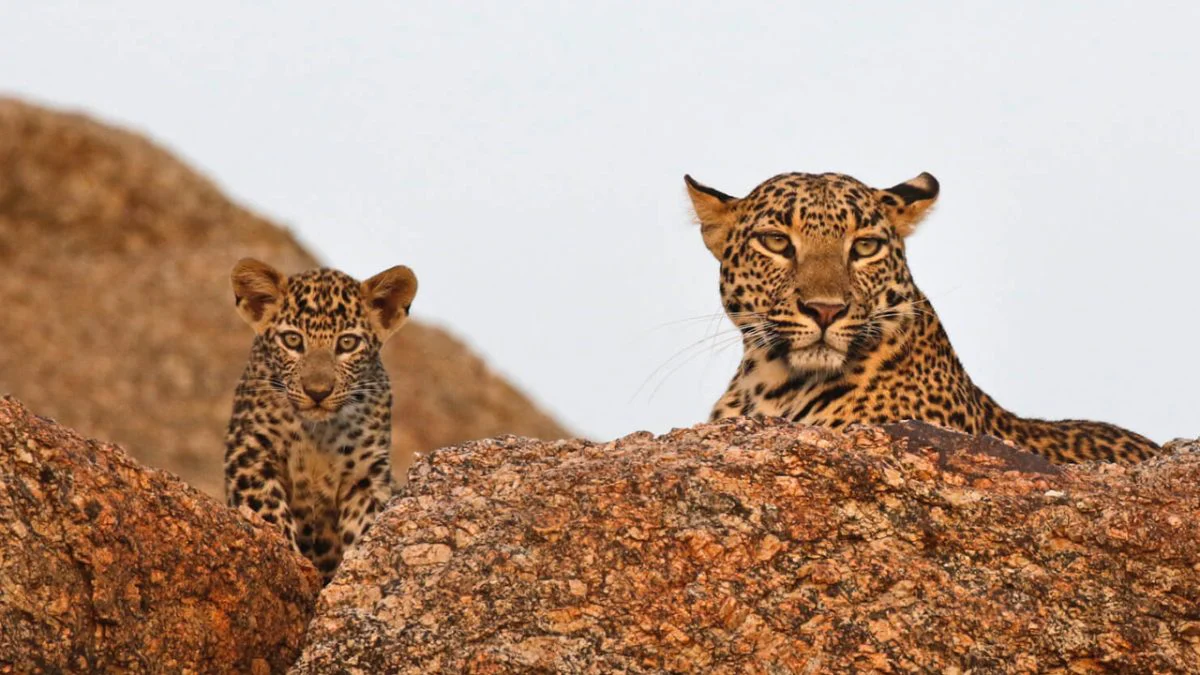
The granite hillocks of Jawai are unlike any leopard habitat in India. Forget the dense forest of Kabini or the dry scrub of Jhalana. Here, leopards live on open rocky hills that offer extraordinary visibility. When you find a leopard at Jawai you typically see the whole animal — not a glimpse through grass, not a tail disappearing into bush, but the full, magnificent cat in clear view against pale granite and open sky.
What to watch for on your afternoon safari:
- 3:00 PM – 4:30 PM: Leopards resting on elevated rock positions — your guide will scan the hilltop silhouettes for the characteristic spotted outline of a resting cat
- 4:30 PM – 5:30 PM: Leopards becoming active — stretching, moving between rocks, scent marking. This is the most dynamic viewing window of the afternoon
- 5:30 PM – 6:30 PM: Golden hour movement — leopards descending hillocks, crossing open ground, occasionally approaching the reservoir margin as darkness approaches. The combination of golden light and an active leopard in open terrain produces some of the finest big cat photography available anywhere in India
A typical afternoon leopard safari at Jawai lasts 3 to 3.5 hours and covers several hillock zones. Your guide will move between locations based on fresh information from other guides and trackers in the field — the Jawai guide network is excellent and sighting information is shared in real time.
6:30 PM — Return to Camp, Dinner Under the Stars
Return to camp as darkness falls. Jawai camps — most of them luxury tented properties positioned among granite boulders with open views across the landscape — offer a genuinely special evening experience. Dinner is typically served outdoors around a fire, under a sky unpolluted by city light. The Milky Way is visible from Jawai on clear winter nights — something that surprises visitors from urban India more than any wildlife sighting.
Use the dinner conversation to debrief with your guide. What did you see? What does tomorrow hold? A good naturalist will already be planning your Day 2 itinerary based on what was active today.
Retire early — 9:30 PM at the latest. Day 2 begins before sunrise and the quality of your morning experience depends entirely on how rested and alert you are at 5:30 AM.
Day 2 — The Full Jawai Experience
5:30 AM — Wake Up Call
This is non-negotiable. The finest wildlife experiences at Jawai — without exception — happen in the two hours after sunrise. Guests who sleep until 7:00 AM and take a leisurely breakfast before heading out consistently miss the best of what Jawai offers. Set your alarm. Go early. You will not regret it.
Most camps provide an early morning tea or coffee service at 5:30 AM. Drink it, dress in layers — Jawai winter mornings are genuinely cold, often 8°C to 12°C between November and January — and be in the vehicle by 6:00 AM.
6:00 AM — Dawn Leopard Safari
The dawn leopard safari is the jewel of the Jawai experience. Leopards that have been active through the night are returning to their resting positions as first light comes up — and the window between 6:00 AM and 8:00 AM is when the most dramatic leopard activity of the entire day occurs.
| Time | Leopard Activity | What to Watch For |
|---|---|---|
| 6:00 AM – 6:30 AM | Pre-dawn movement — leopards returning from night activity | Movement across open ground, crossing roads, descending hillocks |
| 6:30 AM – 7:30 AM | Peak dawn activity — most dynamic window of the day | Scent marking, territorial calling, interaction between individuals |
| 7:30 AM – 9:00 AM | Leopards settling into daytime resting positions | Leopards climbing to favoured rock ledges, cubs playing near den sites |
| 9:00 AM – 10:00 AM | Activity reducing as sun warms rocks | Final movement before midday rest — good photography light |
Mother leopards with cubs are particularly active in the early morning — cubs are playful and energetic in the cool air and the interactions between a mother and her young on open granite rocks are among the most emotionally powerful wildlife experiences available at Jawai.
8:30 AM — Crocodile and Reservoir Safari
After the leopard safari, ask your guide to take you directly to the Jawai Bandh reservoir for the morning crocodile and bird watching session. The timing is perfect — by 8:30 AM the sun has fully warmed the granite banks and the mugger crocodile basking activity is at its peak.
What to expect at the reservoir between 8:30 AM and 10:30 AM:
- Mugger crocodiles: On cold winter mornings, dozens of individuals haul themselves onto south-facing granite slopes along the reservoir margin. Watch for gaping behaviour — crocodiles holding their mouths wide open to regulate body temperature — which peaks between 8:00 AM and 10:00 AM as the sun strengthens
- Flamingos: Between October and March, sometimes thousands of Greater and Lesser Flamingos feed in the shallow reservoir margins, turning entire bays pink. The combination of flamingos, crocodiles, and granite hills in a single frame is one of the most distinctive wildlife photography compositions in Rajasthan
- Waterbirds: Painted storks, grey herons, great egrets, cormorants, kingfishers, and in winter, large numbers of migratory ducks and wading birds concentrate along the reservoir margins alongside the crocodiles
- Dam wall viewpoint: Ask your guide to stop at the dam wall itself for a panoramic view across the full reservoir — particularly beautiful in morning light with the Aravalli hills reflected in the water surface
10:30 AM — Rabari Village Walk
Return briefly to camp for a late breakfast, then at around 10:30 AM join your guide for a Rabari village walk — one of the most culturally distinctive experiences available anywhere in Rajasthan and one that most Jawai visitors overlook entirely in favour of more safari time.
The Rabari are a nomadic pastoral community who have lived alongside the wildlife of Jawai for centuries. Their relationship with the leopards — whom they consider sacred and have never hunted — is the foundation of Jawai's extraordinary human-wildlife coexistence story. Walking through a Rabari settlement with a knowledgeable guide reveals:
- Traditional architecture: Circular mud and stone houses decorated with intricate white geometric patterns — a Rabari artistic tradition maintained entirely by the women of the community
- Daily pastoral life: Rabari herders moving their cattle, goats, and camels through the same landscape where leopards move at night — a coexistence so deeply normalised that neither human nor animal shows any sign of alarm at the other's presence
- Traditional craft: Rabari women are master embroiderers — their distinctive mirror-work embroidery is among the finest traditional textile craft in Rajasthan. Many camps arrange demonstrations or purchases directly from the artisans
- Temple sites on the hillocks: Small Hindu shrines on the granite hillocks — often shared, remarkably, with leopard resting sites immediately adjacent — that are central to Rabari spiritual life and that explain much about why these communities have protected rather than persecuted the leopards living among them
A village walk typically lasts 1 to 1.5 hours and requires no physical exertion — it is a gentle stroll through one of India's most distinctive living landscapes.
12:30 PM — Lunch and Rest
Return to camp for lunch. Use the early afternoon for rest — the midday heat makes wildlife activity minimal and this is your opportunity to review photographs, update your travel journal, or simply sit among the boulders of your camp and absorb the extraordinary silence of the Jawai landscape in the middle of the day.
3:30 PM — Final Afternoon Safari and Departure Prep
Your final safari of the weekend departs at 3:30 PM. Use this session for whatever you most want to revisit from the previous day and a half — return to a hillock where cubs were seen, spend time at a crocodile basking site in the golden afternoon light, or ask your guide to take you to a viewpoint you have not yet visited.
The 4:30 PM to 6:00 PM window on Day 2 often produces the most relaxed and satisfying wildlife viewing of the entire trip — you know the landscape now, you know what to look for, and the golden late afternoon light on granite and leopard fur is at its most beautiful. Many visitors report that their finest sighting of the entire trip comes in this final session, when they have stopped actively searching and simply allowed the landscape to reveal itself.
6:30 PM — Sundowner and Farewell
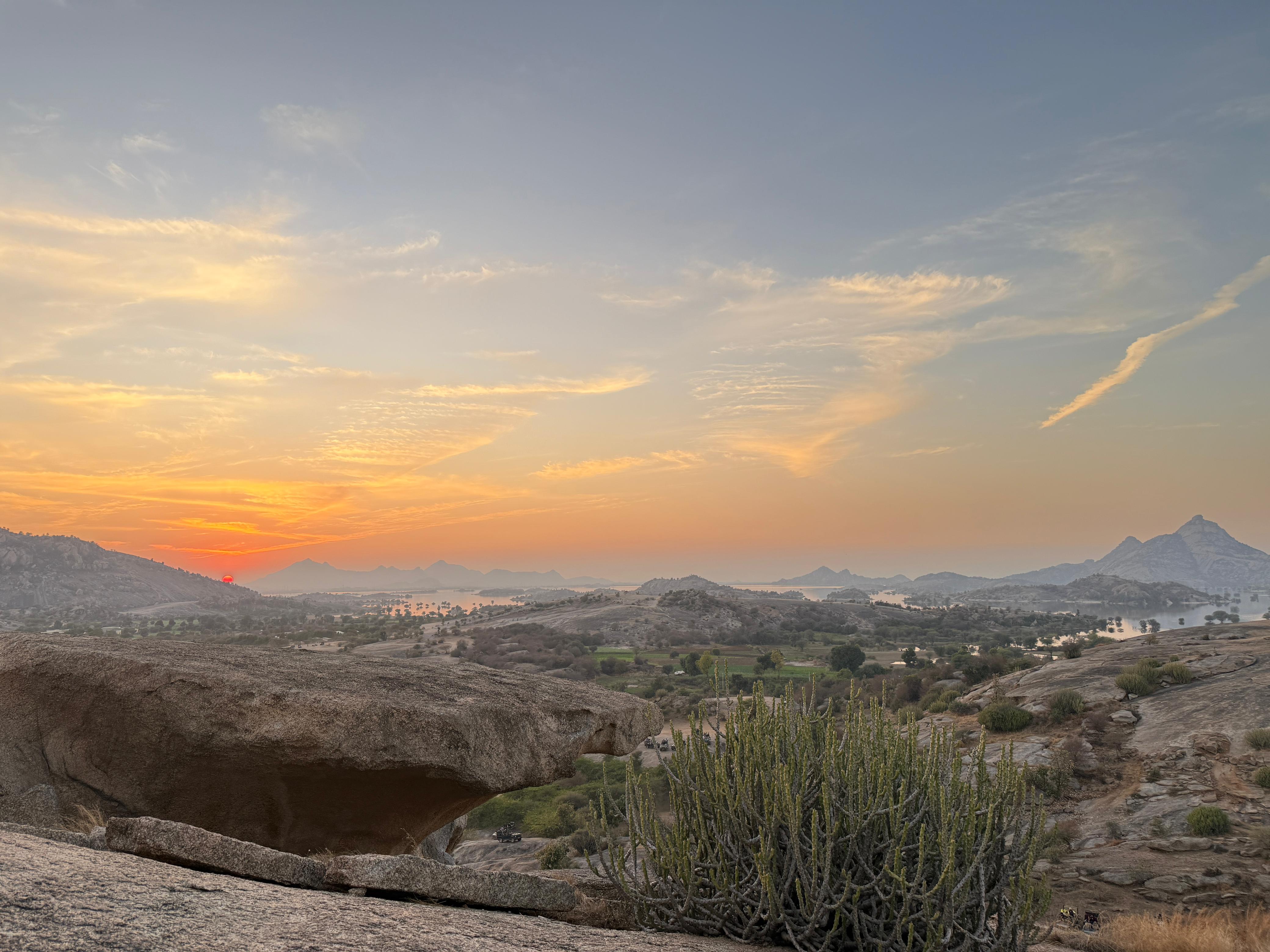
Many Jawai camps arrange a sundowner stop on the final evening — drinks served from the back of the safari vehicle at a scenic viewpoint as the sun sets over the reservoir and the Aravalli hills turn amber and purple in the last light. It is a fittingly cinematic conclusion to a weekend that most visitors describe as one of the finest wildlife experiences of their lives.
Complete 2-Day Jawai Itinerary — At a Glance
| Time | Activity |
|---|---|
| Day 1 — Morning | Travel and arrival at Jawai by 12:00 PM |
| Day 1 — 12:00 PM | Check-in, lunch, guide briefing |
| Day 1 — 3:00 PM | Afternoon leopard safari on granite hillocks |
| Day 1 — 6:30 PM | Return to camp, dinner, early night |
| Day 2 — 5:30 AM | Wake up, early tea |
| Day 2 — 6:00 AM | Dawn leopard safari — peak activity window |
| Day 2 — 8:30 AM | Reservoir safari — crocodiles, flamingos, waterbirds |
| Day 2 — 10:00 AM | Return to camp, late breakfast |
| Day 2 — 10:30 AM | Rabari village walk |
| Day 2 — 12:30 PM | Lunch and afternoon rest |
| Day 2 — 3:30 PM | Final afternoon safari |
| Day 2 — 6:30 PM | Sundowner, farewell dinner, departure prep |
What to Pack for Your Jawai Weekend
- Warm layers: Winter mornings at Jawai are genuinely cold — a fleece jacket, warm hat, and gloves are essential between November and February for early morning safaris
- Neutral colours: Khaki, olive, grey, and brown clothing blends into the granite landscape and avoids disturbing wildlife. Avoid white and bright colours
- Binoculars: Essential for scanning granite hillocks for resting leopards and observing crocodile behaviour in detail from a respectful distance
- Camera with telephoto lens: A minimum 300mm lens is recommended for leopard and crocodile photography. Bring extra batteries — cold temperatures drain battery life quickly
- Sunscreen and hat: The afternoon sun in Rajasthan is intense even in winter. A wide-brimmed hat and good sunscreen are essential for the vehicle and village walk
- Dust cloth for camera: The Jawai landscape is dusty — a soft cloth to clean lenses between sessions saves considerable frustration
Final Thoughts — Two Days Well Spent
Two days at Jawai will not feel like enough. Almost every visitor who comes for a weekend finds themselves, on the final morning, already planning a return trip — already asking their guide which month brings the best leopard cub sightings, when the flamingo numbers are highest, whether the winter migration has arrived yet.
That is the measure of a truly great wildlife destination. Not that it satisfies completely — but that it makes you want more. Jawai does not disappoint. It simply makes every other wildlife experience feel slightly ordinary by comparison.
Book early. Go in winter. Wake up before sunrise. And give yourself at least two full days — because one is never enough.
Book Your Official Jawai Safari & Stay Package
Don't miss out on peak sighting hours! Reserve your authorized 4x4 gypsy safari and hotel stay with us today.
You Might Also Like