The Hidden Wildlife of Jawai: Spotting Hyenas, Wolves, and Sloth Bears
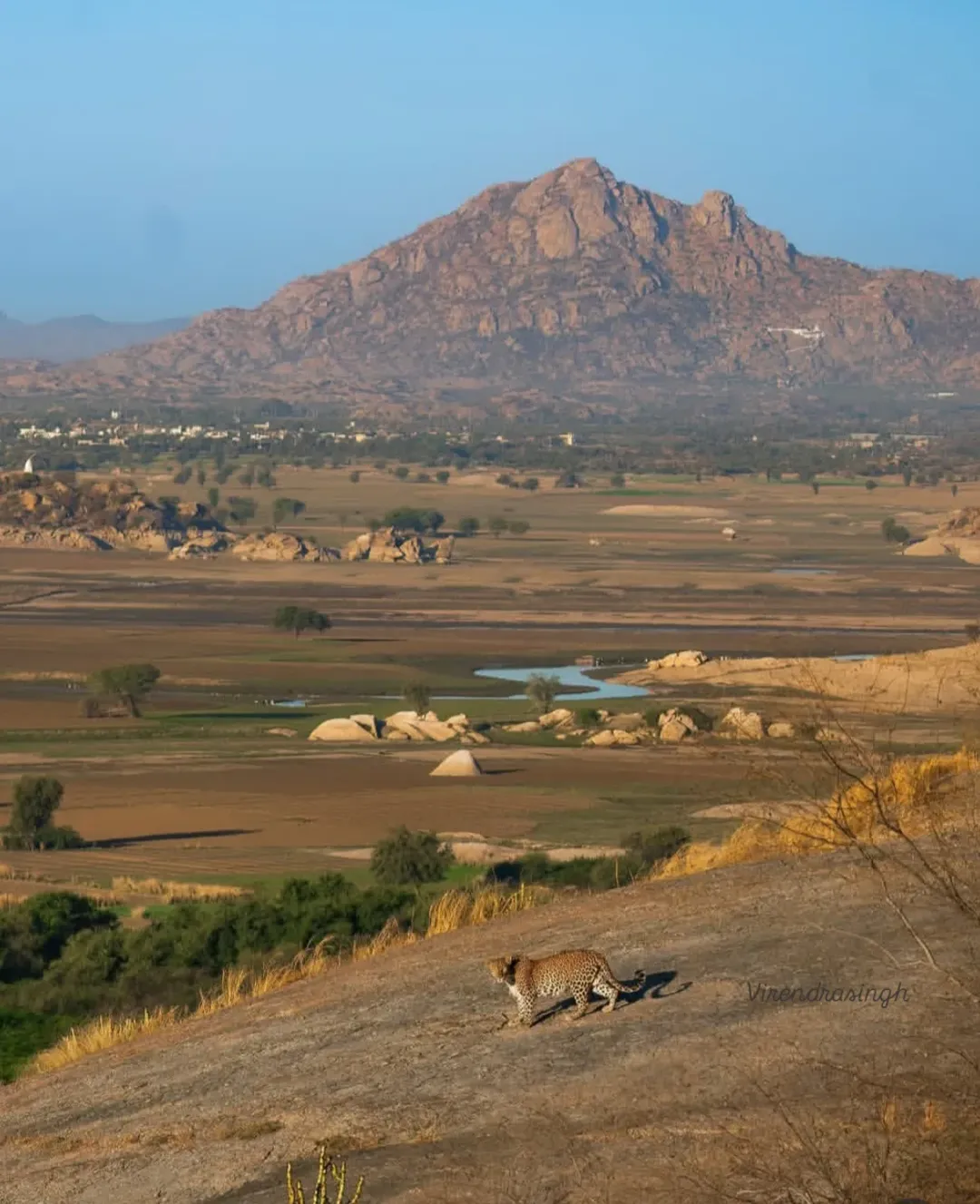
Beyond the Leopard — Jawai's Secret Wildlife World
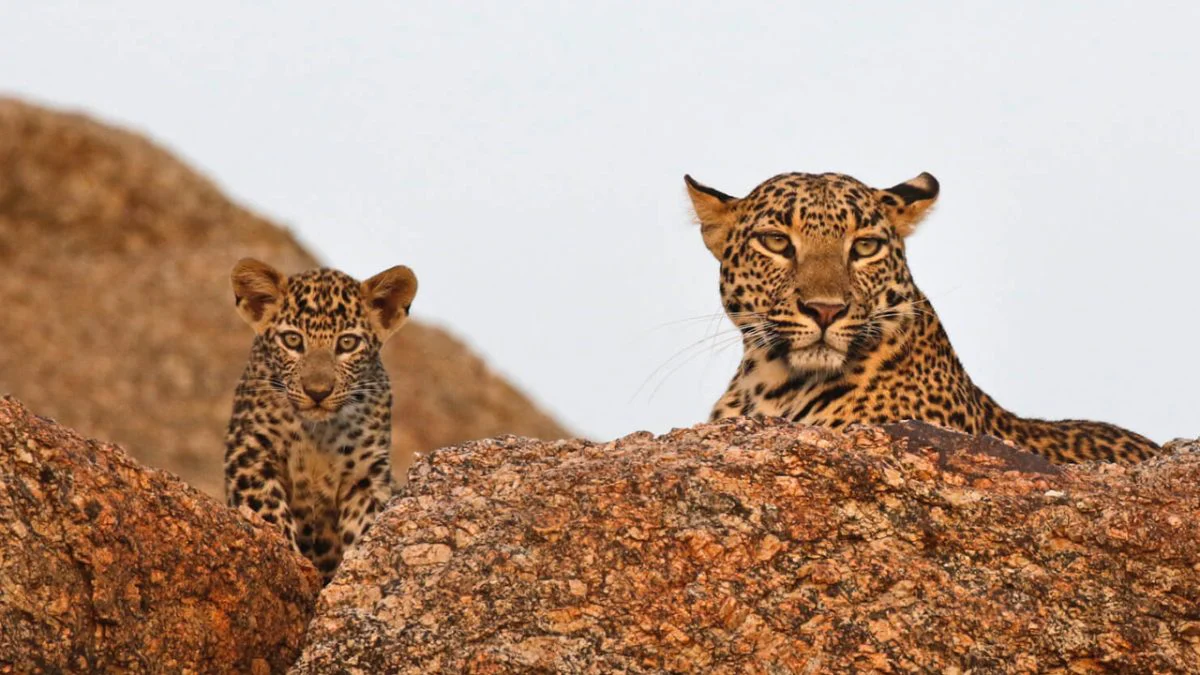
Ask any visitor what they are hoping to see at Jawai and the answer is almost always the same — leopard. And understandably so. The leopards of Jawai are extraordinary, famous, and genuinely easier to spot here than anywhere else in India. But experienced wildlife watchers who look beyond the granite hilltops discover something equally remarkable — a rich, layered ecosystem supporting an astonishing diversity of wildlife that most safari visitors never notice, never seek, and never find.
The Jawai landscape — a mosaic of granite Aravalli hillocks, open scrub forest, agricultural fields, seasonal water bodies, and the large Jawai Bandh reservoir — creates multiple distinct habitat types within a small geographic area. Each habitat supports its own community of species. Learn to read these habitats and Jawai transforms from a single-species destination into one of the most diverse and rewarding wildlife experiences in all of Rajasthan.
This is the guide to Jawai's hidden wildlife — the species that share this landscape with the famous leopards but receive almost none of the attention they deserve.
The Striped Hyena — Jawai's Most Mysterious Night Predator
The striped hyena is one of India's most misunderstood and underappreciated large carnivores. Secretive, largely nocturnal, and carrying an undeserved reputation as a mere scavenger, the striped hyena is in reality a powerful and highly intelligent predator and ecosystem engineer whose presence indicates a healthy, functioning wildlife landscape.
At Jawai striped hyenas occupy a fascinating ecological niche alongside leopards. Where leopards dominate the rocky hilltop terrain, hyenas work the lower scrubland, agricultural edges, and dry riverbeds — rarely competing directly with leopards and occasionally benefiting from leopard kills abandoned at dawn.
How to Spot Striped Hyenas at Jawai
Striped hyenas are almost exclusively nocturnal making daytime sightings rare but not impossible. Here is what our guides recommend:
- Early morning drives before 6:30 AM — hyenas returning from night foraging are occasionally caught in the open near scrubland edges and dry riverbeds at first light
- Watch dry riverbeds and sandy tracks — hyena pug marks are distinctive with large front feet significantly bigger than rear feet and a characteristic sloping body gait visible in track patterns
- Look near leopard kill sites — hyenas monitor leopard activity and are sometimes found near fresh kills waiting for the leopard to abandon its meal
- Listen at dusk — the eerie whooping call of a striped hyena carrying across the Jawai landscape at twilight is one of the most atmospheric wildlife sounds in Rajasthan
A striped hyena sighting at Jawai is considered by experienced wildlife watchers as genuinely special — rarer and in many ways more exciting than a leopard sighting precisely because so few visitors are even looking for them.
The Indian Wolf — Jawai's Rarest Large Predator
Of all the hidden wildlife at Jawai the Indian wolf is perhaps the most significant and least known. The Indian wolf is a distinct subspecies found only on the Indian subcontinent — smaller and more lightly built than its northern cousins, adapted to hot semi-arid landscapes, and classified as endangered with a total estimated population of just 2,000 to 3,000 individuals remaining across all of India.
The open scrubland and agricultural mosaic surrounding Jawai represents good Indian wolf habitat — and local guides confirm occasional wolf sightings in the wider Jawai-Bera landscape, particularly in the flat open areas away from the main rocky hillocks where leopards concentrate.
Indian Wolf Behaviour and Ecology
Unlike forest-dwelling wolves of the Himalayas, Indian wolves are grassland and scrubland specialists. They hunt in small family packs of 4 to 8 individuals targeting nilgai calves, blackbuck, smaller ungulates, and occasionally livestock. Their hunting strategy relies on open ground pursuit rather than ambush — they are coursing predators built for speed and endurance rather than stealth and power.
Indian wolves are among the most persecuted wildlife in India — feared and killed by farming communities across most of their range for livestock predation. The relative tolerance shown by communities around Jawai — shaped by the same Rabari spiritual tradition that protects leopards — makes this landscape unusually safe for wolves compared to most of their range.
How to Maximise Wolf Sighting Chances
- Ask your guide specifically about recent wolf activity before your safari — sightings are infrequent but guides know current wolf range patterns
- Request a drive through open agricultural areas and flat scrubland away from the main leopard hillock circuit
- Dawn and dusk are peak activity periods — early morning safaris give the best chance
- A wolf sighting at Jawai should be reported to wildlife researchers — these observations contribute to critically important population monitoring of an endangered subspecies
The Sloth Bear — Jawai's Powerful Midnight Wanderer
The sloth bear is one of India's most charismatic and physically extraordinary large mammals — and one of the most dangerous animals a wildlife watcher can encounter unexpectedly in the field. Equipped with enormously powerful curved claws designed for tearing open termite mounds and tree bark, a sloth bear is capable of inflicting serious injury with a single swipe and is widely considered more unpredictably aggressive than leopards or even tigers when surprised at close range.
At Jawai sloth bears occupy the rocky terrain of the Aravalli hillocks — sometimes sharing the same granite formations as leopards, though the two species generally avoid direct confrontation through a combination of different activity timing and mutual awareness.
Sloth Bear Behaviour at Jawai
Sloth bears at Jawai are primarily nocturnal but are occasionally observed during early morning and late evening safaris — particularly during cooler winter months when they extend their activity into daylight hours. Their distinctive shaggy black coat, long pale muzzle, and U-shaped chest marking make them unmistakable when seen clearly.
Watch specifically for:
- Torn termite mounds — fresh excavations with large claw marks indicate recent bear activity in the area
- Scratched tree bark — sloth bears regularly mark trees with claw scratches at head height
- Rocky hillside caves and overhangs — preferred denning and resting sites particularly during summer heat
- Early morning rocky slopes — bears returning to daytime rest sites after night foraging are occasionally caught in open areas at dawn
A sloth bear sighting at Jawai is considered among the finest wildlife experiences Rajasthan offers — rarer than leopard, more physically dramatic, and deeply memorable for any wildlife enthusiast.
The Mugger Crocodile — Ancient Predator of Jawai Bandh
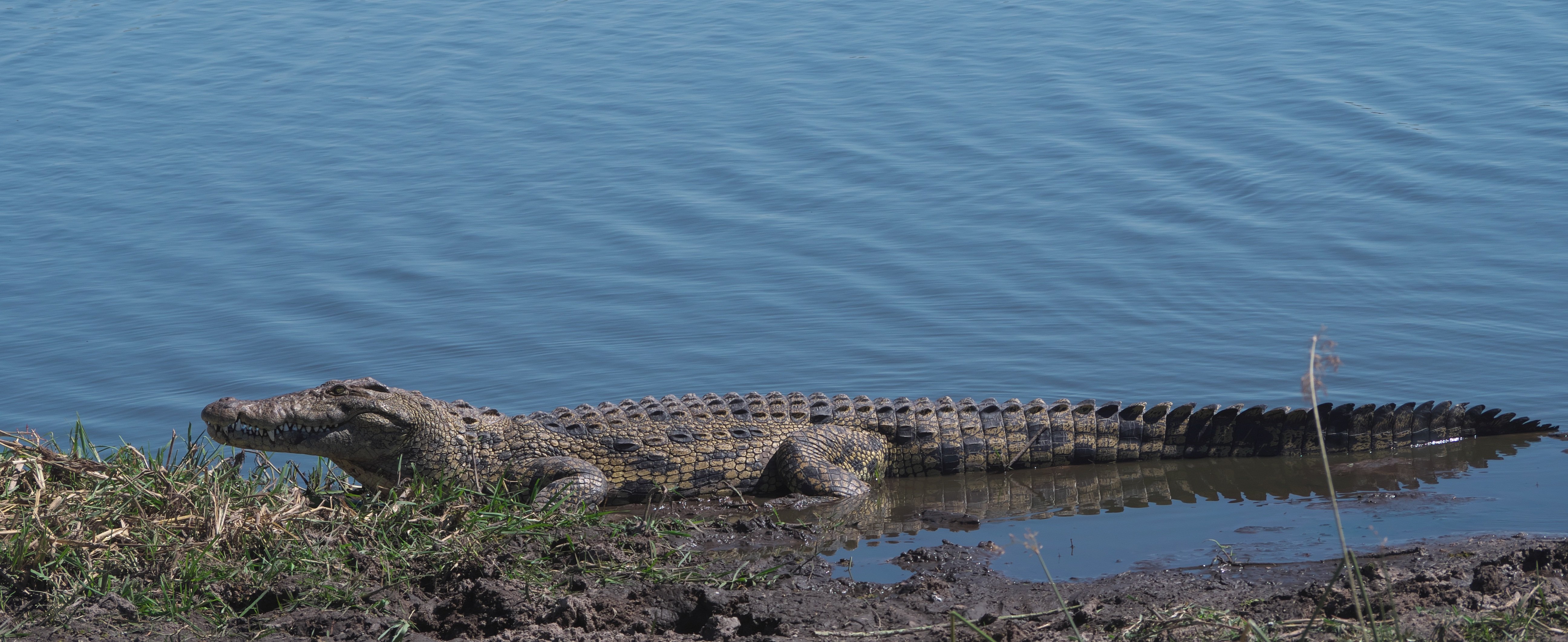
While land mammals attract most visitor attention the mugger crocodile population of Jawai Bandh reservoir represents one of the finest crocodile watching opportunities in Rajasthan. Muggers are the most widespread crocodilian in India — a medium to large species reaching 4 to 5 metres in large adults — and Jawai Bandh supports a healthy and easily observable population.
Muggers are most visible during morning and afternoon basking sessions when they haul themselves onto reservoir banks and rocky shorelines to thermoregulate in the sun — lying completely motionless for hours with jaws sometimes held open in a behaviour called gaping that regulates body temperature.
Best Spots for Crocodile Watching at Jawai
- Rocky banks of Jawai Bandh reservoir particularly on the northern and eastern shores where flat rock surfaces provide ideal basking platforms
- Shallow reservoir margins in early morning when muggers first emerge to warm up
- Ask your guide about specific basking sites — large individual muggers return to the same spots daily and guides know exactly where to find them
The Indian Fox — Jawai's Most Charming Resident
The Indian fox is one of Jawai's most commonly seen and endlessly charming wildlife residents — yet receives almost no attention from visitors focused entirely on larger species. Smaller and more lightly built than the red fox of northern India, the Indian fox has large ears, a slender pointed muzzle, and a bushy tail tipped with black — an animal of extraordinary delicate beauty that photographers with an eye for the overlooked consistently rate among their favourite Jawai subjects.
Indian foxes are most active at dawn and dusk, frequently seen trotting along track edges and open scrubland searching for insects, small rodents, and fallen fruit. They den in small burrow systems in open ground — and a den with cubs visible in February and March is one of the most photogenic wildlife scenes Jawai produces.
The Indian Porcupine — Jawai's Armoured Night Walker
The Indian porcupine is one of the largest rodents in Asia and a surprisingly common resident of Jawai's rocky terrain — though its strictly nocturnal habits mean most visitors never suspect it exists here. Weighing up to 15 kilograms and covered in long black and white quills up to 30 centimetres in length, the Indian porcupine is a dramatically impressive animal when encountered in vehicle headlights on a night drive.
Porcupines den in rock crevices and cave systems across the Aravalli hillocks — often in the same rocky terrain used by leopards. Interestingly porcupine quills are frequently found embedded in leopard paws at Jawai — evidence of hunting attempts that ended painfully for the predator and successfully for the prey.
Birds — Jawai's Overlooked Wildlife Spectacle
With over 200 bird species recorded across the Jawai landscape Jawai Bandh is among the finest birdwatching locations in Rajasthan — yet the vast majority of visitors spend their entire stay looking at rock formations and never raise their binoculars to the sky.
Must-See Bird Species at Jawai
- Greater Flamingo and Lesser Flamingo — thousands congregate at Jawai Bandh from October to March creating a pink shimmer across the reservoir surface that is genuinely one of Rajasthan's great wildlife spectacles
- Demoiselle Crane — large migratory flocks pass through and roost at Jawai Bandh during winter months
- Indian Eagle-Owl — one of the world's largest owls roosts in Jawai's rocky crevices and is occasionally spotted by alert guides during morning safaris
- Bonelli's Eagle — a powerful resident raptor that hunts across the Aravalli hillocks and is sometimes observed in dramatic aerial pursuit of prey
- Indian Courser — a beautifully marked ground bird of open rocky terrain that blends perfectly with the granite and gravel substrate
- White-backed Vulture — soaring thermals above the hillocks daily, gathering at carcass sites, and performing a critical ecosystem service that keeps the Jawai landscape clean and disease-free
How to Build a Hidden Wildlife Safari at Jawai
Most standard Jawai safari circuits focus exclusively on the main leopard hillock areas. To maximise your hidden wildlife sightings follow these guide requests:
- Tell your guide upfront that you want to see ALL wildlife — not just leopards. A good guide will immediately adjust the safari route
- Request a reservoir circuit specifically for crocodile and bird watching — this is often a separate route from the main leopard safari
- Ask about recent hyena and bear activity before departure — guides track all species daily and will know current hotspots
- Request an early morning departure at 5:30 AM rather than standard 6:00 AM for maximum nocturnal species transition sightings
- Stay minimum three nights — one safari per species group gives you the best coverage of Jawai's full wildlife diversity
Final Thoughts — The Full Wildlife Picture of Jawai
Jawai's leopards are extraordinary and deserve every word written about them. But the landscape that supports those leopards is itself extraordinary — a functioning, thriving ecosystem where striped hyenas call in the darkness, sloth bears tear open ancient termite mounds at midnight, endangered Indian wolves ghost through pre-dawn scrubland, and the sky above Jawai Bandh turns flamingo-pink every winter morning.
The leopard brought you to Jawai. The hidden wildlife will make you want to stay forever.
Book Your Official Jawai Safari & Stay Package
Don't miss out on peak sighting hours! Reserve your authorized 4x4 gypsy safari and hotel stay with us today.
You Might Also Like