Bird Watching at Jawai Bandh — 200+ Species and Where to Find Them
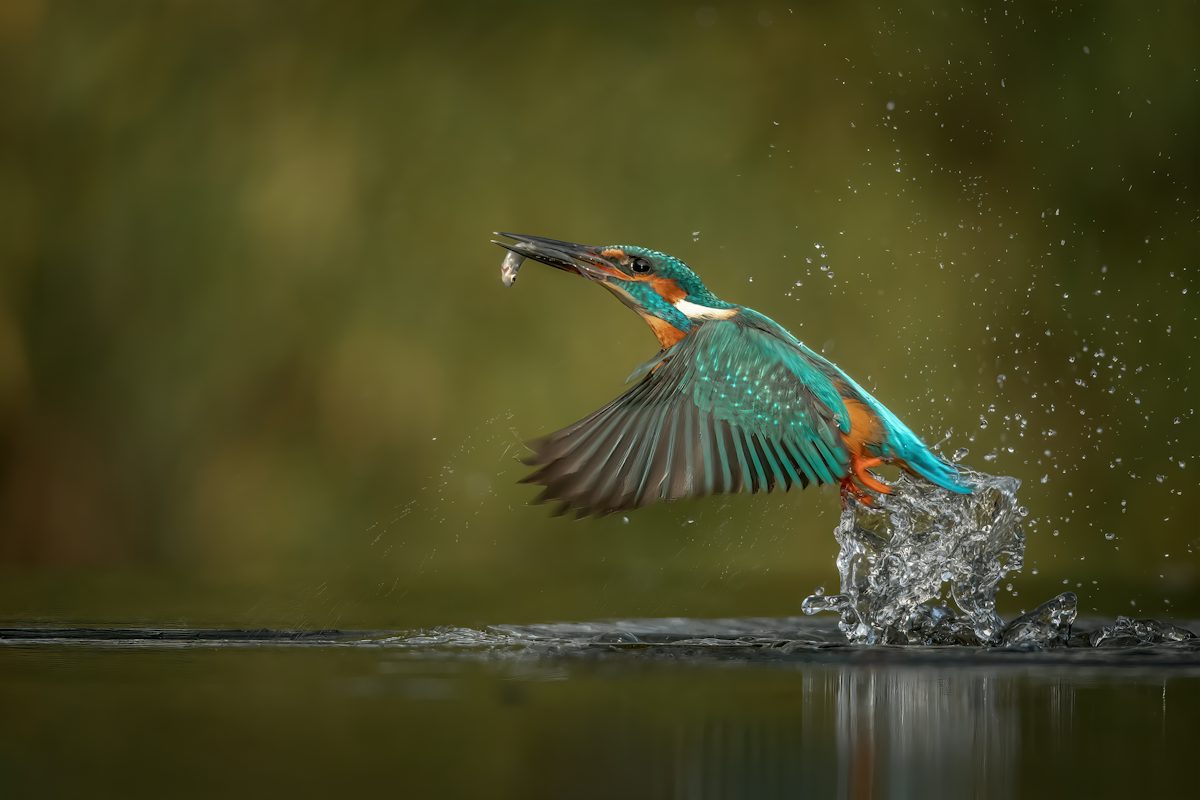
Most people who visit Jawai come for one animal — the leopard. And most of them leave having seen extraordinary things on the granite hillocks that they will talk about for the rest of their lives. But the visitors who stay an extra day, who wake a little earlier, who ask their guide to take them along the reservoir margins instead of straight to the leopard territory — those visitors discover something that surprises even the most well-travelled wildlife enthusiasts. Jawai Bandh is one of the finest bird watching destinations in all of Rajasthan. the bird destination place always come people in night time to fresh brain and after eating but current time jawai not availble evening time you come current time only morning time visit
Over 200 bird species have been recorded at Jawai Bandh and its surrounding landscape — a number that places it comfortably alongside dedicated bird sanctuaries and wetland reserves that receive a fraction of the general tourism traffic that Jawai attracts. The combination of a large permanent reservoir, granite hillocks, scrub forest, agricultural land, and the proximity of the Aravalli range creates a mosaic of habitats that supports an extraordinary diversity of resident, migratory, and wintering bird species across every season of the year.
This guide covers everything you need to know — which species to look for, where to find them, when to visit, and how to get the most from a dedicated bird watching safari at Jawai.
Why Jawai Bandh is So Good for Birds
Outstanding bird watching destinations are almost always the product of habitat diversity — and Jawai Bandh delivers this in an unusually concentrated area. Within a radius of just a few kilometres from the dam, a visiting bird encounters five completely different habitat types, each supporting its own distinct community of species.
- The reservoir itself: A large, permanent, year-round water body that attracts waterbirds, wading birds, diving birds, and wildfowl in enormous numbers — particularly during the October to March migration and wintering season
- Granite hillocks and rocky outcrops: The iconic Aravalli granite landscape that supports nesting raptors, rock-specialist species, and the cliff-dwelling birds that share the hillocks with Jawai's famous leopards
- Scrub and dry deciduous forest: The open woodland and thorn scrub surrounding the reservoir supports a rich community of resident passerines, doves, bee-eaters, rollers, and dry-country specialists
- Agricultural fields and grassland: The irrigated farmland around Jawai Dam attracts larks, pipits, harriers, cranes, and open-country raptors — particularly during winter when migratory species move through in large numbers
- Reservoir margins and mudflats: The shallow edges and exposed mudflats — particularly visible when water levels are lower in late winter — attract waders, sandpipers, pratincoles, and other shorebird species
No single habitat type produces outstanding bird watching. It is the combination of all five within easy reach of a single base that makes Jawai genuinely exceptional — and that combination is entirely the product of the dam's construction in 1957, which created the permanent water body around which all the other habitats now organise themselves.
The Star Species — Birds You Must See at Jawai
Greater Flamingo
If there is one bird that defines the visual spectacle of Jawai Bandh in winter, it is the Greater Flamingo. Between October and March, sometimes numbering in the thousands, flamingos congregate on the shallow margins of the reservoir in concentrations that transform the waterline into a moving, pink-tinged spectacle unlike anything else in Rajasthan.
Flamingos are filter feeders — using their uniquely shaped, upside-down bills to sieve algae, diatoms, and small crustaceans from the shallow water. Watching a line of several hundred flamingos feeding in synchrony, their long necks sweeping back and forth through the water, is one of the great bird watching experiences of the Indian subcontinent. The best flamingo viewing is from October through February, with peak numbers usually in November and December following the monsoon when water levels are high and food availability is at its maximum.
Demoiselle Crane
The Demoiselle Crane — known locally as Kurja — holds a special place in Rajasthani culture. These elegant grey cranes with their distinctive white ear tufts and black breast plumes migrate from their breeding grounds in Central Asia to winter across the Indian subcontinent, and Jawai Bandh sits directly on one of their key corridor routes.
Demoiselle cranes use the reservoir for drinking and roosting, and the surrounding agricultural fields for feeding on grain. Dawn and dusk flights — when hundreds or thousands of cranes lift from roost sites and stream across the sky in long wavering lines — are among the most emotionally affecting wildlife spectacles Jawai offers. The best demoiselle crane watching is from October to February, with November and December typically producing the largest flocks.
Painted Stork
One of India's most visually striking waterbirds, the Painted Stork is a year-round presence at Jawai Bandh — though numbers increase significantly in winter when birds from across northwestern India concentrate at the reservoir. Their bold pink, white, and black plumage — with that distinctive yellow face and heavy downcurved bill — makes them impossible to miss among the mixed waterbird flocks that gather along the reservoir margins.
Painted storks are spectacular fishers — using a technique called tactile foraging, walking slowly through shallow water with their bill submerged and slightly open, snapping shut instantly when they feel a fish touch it. Watching a painted stork fish in the clear shallows of Jawai Bandh, with granite hillocks reflected in the water behind it, is one of the classic Jawai bird watching images.
Indian Skimmer
One of Jawai's rarest and most sought-after species, the Indian Skimmer is a globally vulnerable bird that uses large rivers and reservoirs across northern and central India. Its extraordinary feeding technique — flying low over the water surface with the elongated lower mandible cutting the surface, snapping shut when it strikes a fish — is one of the most remarkable feeding behaviours in the avian world. Look for skimmers in the early morning and evening when they make low passes over the reservoir surface. Any sighting is a genuine privilege.
Sarus Crane
The world's tallest flying bird, the Sarus Crane is a magnificent resident species at Jawai — pairs of these enormous grey cranes with their crimson heads are seen year-round in the agricultural fields and wetland margins surrounding the reservoir. Sarus cranes mate for life and pairs maintain strong pair bonds throughout the year — their elaborate dancing displays, with both birds leaping, bowing, and calling in unison, are one of the most memorable wildlife behaviours visible at Jawai.
Bonelli's Eagle
The granite hillocks of Jawai are not only leopard territory — they are prime nesting habitat for one of India's most powerful raptors, the Bonelli's Eagle. This large, aggressive eagle nests on cliff ledges and rocky outcrops, hunting everything from hares and monitor lizards to medium-sized birds. Pairs of Bonelli's Eagles are resident at Jawai year-round, and watching them soar on thermals above the granite hills — sometimes in the same field of view as a basking leopard below — is one of Jawai's signature multi-species wildlife moments.
Indian Eagle-Owl
The largest owl in India, the Indian Eagle-Owl (also called the Rock Eagle-Owl) is another granite specialist that finds ideal nesting habitat in Jawai's rocky hillocks. These enormous owls — with their prominent ear tufts and burning orange eyes — roost in rocky crevices and overhangs during the day and hunt at night across the scrub and agricultural landscape. Early morning safaris sometimes catch them returning to roost, and experienced guides know the favoured daytime roost sites of resident pairs.
Indian Courser
The open, stony ground between the granite hillocks is prime habitat for the Indian Courser — a beautifully patterned ground bird that relies on its cryptic plumage to disappear against the rocky substrate. Running rapidly between rocks rather than flying when disturbed, the Indian Courser is one of those species that experienced birders specifically seek out at Jawai — and which most casual visitors walk straight past without ever noticing.
Seasonal Bird Watching Guide — Month by Month
October — November: Arrival of Winter Visitors
October marks the beginning of the best bird watching season at Jawai Bandh. Monsoon rains have filled the reservoir, water levels are at their maximum, and the first waves of migratory birds begin arriving from their Central Asian and Siberian breeding grounds. Flamingos begin appearing in growing numbers through October. Demoiselle cranes start using the reservoir margins. Duck species — including Northern Pintail, Common Teal, and Gadwall — arrive on the water. Wader species begin appearing on mudflats. October and November combine excellent bird diversity with the full post-monsoon reservoir at its most beautiful.
December — January: Peak Season
The peak of bird watching season at Jawai. Flamingo numbers reach their maximum — sometimes several thousand birds on the reservoir simultaneously. Demoiselle cranes are present in large flocks. The full complement of wintering duck species is present on the water. Raptors including Marsh Harrier, Hen Harrier, and Pallid Harrier quarter the agricultural fields daily. Rare species including Indian Skimmer and Black-necked Stork are most reliably seen in these months. December and January offer the greatest species diversity and the largest individual bird numbers of any period in the Jawai calendar.
February — March: Late Winter and Departure
February is an excellent transitional month — many wintering species are still present while the first signs of spring breeding behaviour begin to appear. Resident species begin courtship displays. Sarus Crane pairs become highly vocal and display actively. Painted Storks begin nesting behaviour. The departure of wintering species through February and March is itself a wildlife spectacle — large flocks of demoiselle cranes and ducks moving northward on clear mornings, sometimes in formations of hundreds or thousands of individuals. March is the last reliable month for large flamingo numbers before the majority depart for their breeding grounds.
April — June: Resident Breeding Season
The summer months are quieter for bird watching but not without interest. Resident species are in full breeding season — raptors on nests, bee-eaters excavating their burrow nests in earth banks, rollers and kingfishers in brilliant breeding plumage. The reduced water level of the reservoir exposes more mudflat habitat, attracting lingering wader species. Summer is also the best time to look for species that prefer the dry scrub habitat — Indian Nightjar, Franklin's Nightjar, and various chat species are most easily found in these months. For birders specifically interested in breeding behaviour and dry-country species, April and May offer experiences unavailable in peak season.
July — September: Monsoon Season
The monsoon months bring their own bird watching rewards despite the challenging conditions. The arrival of monsoon brings breeding activity from several resident species that nest specifically during and after the rains. The filling reservoir attracts the first returning migratory species in September. Most Jawai camps are closed during the core monsoon months but September represents the beginning of the new season and the start of one of the most exciting bird watching transitions of the year.
Where to Go — The Best Bird Watching Locations at Jawai
The Reservoir Margins — North Shore
The northern shore of Jawai Bandh reservoir, where shallow water meets gently sloping granite and sandy margins, is consistently the most productive waterbird location. This is where flamingo flocks concentrate in winter, where painted storks and herons wade in the shallows, and where wader species work the exposed mudflats. Ask your guide specifically for the northern reservoir circuit — this route is distinct from the main leopard safari track and requires a dedicated hour or two to cover properly.
The Dam Wall and Spillway
The dam wall itself offers elevated panoramic views across the full extent of the reservoir — excellent for scanning large waterbird flocks and for observing raptors soaring on thermals above the Aravalli hillocks. The spillway area below the dam, where water flows into the river channel downstream, attracts a different set of species including kingfishers, dippers, wagtails, and the occasional Indian Skimmer working the downstream river section.
The Granite Hillocks — Raptor Territory
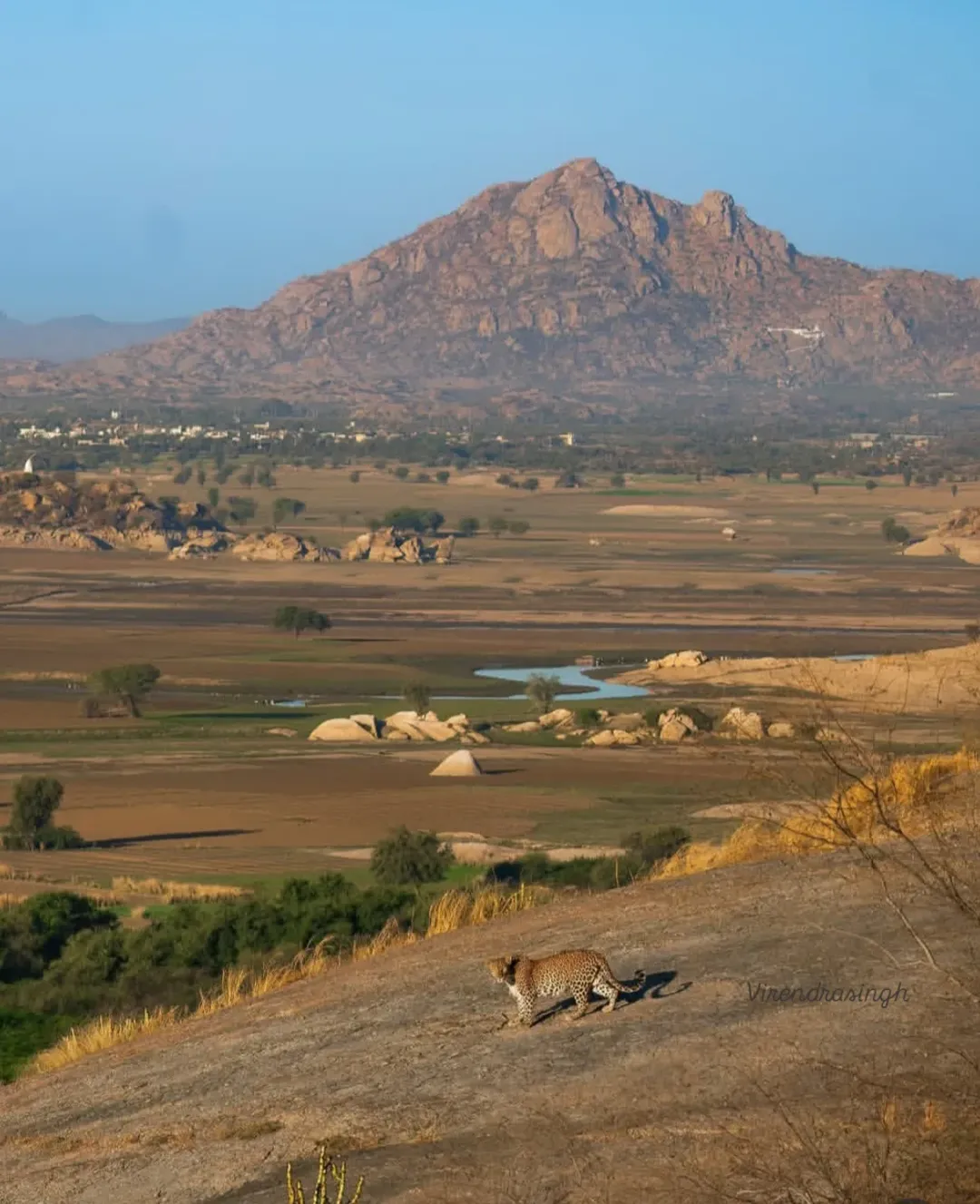
The same rocky hillocks that your guide scans for leopards are prime habitat for Bonelli's Eagle, Eurasian Eagle-Owl, Indian Eagle-Owl, Peregrine Falcon, and various smaller raptors and rock-specialist species. Look up as well as along the rock faces — soaring raptors above the hillocks are easily missed by visitors focused on the rocks at eye level. Early morning is the best time as birds warm up and begin soaring on the first thermals of the day.
Agricultural Fields — Crane and Harrier Country
The irrigated fields surrounding Jawai Dam attract open-country species that are entirely absent from the rocky hillock habitat. Demoiselle cranes and Sarus cranes feed in harvested fields. Harrier species — Marsh, Hen, Pallid, and Montagu's — quarter the grassland and crop margins in search of small mammals and birds. Common Crane occasionally winters in the area. The transition zone between agricultural land and the rocky scrub is particularly productive — species from both habitats overlap here and diversity is highest at these edges.
Scrub and Thorn Forest — Passerine Diversity
The dry scrub and thorn forest habitat between the reservoir and the surrounding villages supports the greatest diversity of small bird species at Jawai — warblers, flycatchers, shrikes, sunbirds, bee-eaters, rollers, drongos, babblers, and numerous other passerine species that are easily overlooked by visitors focused on the larger, more dramatic waterbirds and raptors. A slow walk or drive through this habitat in the early morning produces a constant stream of activity. This is the habitat for birders specifically chasing species numbers — more species per hour can be recorded here in good conditions than anywhere else in the Jawai landscape.
Bird Watching Tips — Getting the Most From Jawai
- Dedicate a full separate safari to birds: Combining leopard watching with serious bird watching in a single safari rarely does justice to either. Ask your camp to arrange a dedicated reservoir and scrub safari with a guide who has specific bird watching knowledge — the difference in quality is dramatic.
- Start before sunrise: The first hour of daylight is the most productive period for almost every species at Jawai. Raptors begin soaring, waterbirds are most active, and passerines in the scrub are at peak song and activity. A 5:45 AM departure is ideal for serious bird watching.
- Bring a field guide: Birds of the Indian Subcontinent by Grimmett, Inskipp and Inskipp is the standard reference. The Jawai region falls within the Rajasthan chapter — reviewing the typical species of dry-country Rajasthan and freshwater wetland habitats before your visit will dramatically improve your identification success.
- Use binoculars rated 8x42 or 10x42: For the open reservoir and sky scanning that Jawai demands, 8x42 or 10x42 binoculars give the best combination of magnification, field of view, and light gathering. Compact binoculars are insufficient for the distances involved.
- Visit in December or January for maximum species and numbers: If bird watching is your primary purpose, December and January give you the full complement of wintering species simultaneously — waterbirds, migrants, raptors, and resident species all present together.
- Ask specifically about owl roost sites: Your guide will know the current daytime roost locations of Indian Eagle-Owl and other owl species. These are not on the standard safari route and must be requested specifically.
- Spend time at the reservoir in the late afternoon: The hour before sunset, when large flocks of waterbirds come in to roost and raptors make their last hunting passes of the day, produces some of the most dramatic bird watching moments of the entire Jawai experience.
A Selection of Species Recorded at Jawai Bandh
The following list represents a selection of the species recorded at Jawai Bandh across seasons — it is illustrative rather than exhaustive, and the full species list continues to grow as more dedicated birders visit the area:
- Waterbirds: Greater Flamingo, Painted Stork, Asian Openbill, Black-necked Stork, Woolly-necked Stork, Grey Heron, Purple Heron, Great White Egret, Little Egret, Indian Pond Heron, Black-crowned Night Heron, Little Cormorant, Great Cormorant, Indian Darter
- Wildfowl: Bar-headed Goose, Greylag Goose, Ruddy Shelduck, Northern Pintail, Common Teal, Gadwall, Eurasian Wigeon, Northern Shoveler, Common Pochard, Ferruginous Duck
- Cranes and large waders: Demoiselle Crane, Common Crane, Sarus Crane, Black-winged Stilt, Pied Avocet, Northern Lapwing, River Lapwing, Red-wattled Lapwing, Indian Courser
- Raptors: Bonelli's Eagle, Indian Eagle, Booted Eagle, Short-toed Snake Eagle, Marsh Harrier, Pallid Harrier, Hen Harrier, Montagu's Harrier, Peregrine Falcon, Laggar Falcon, Eurasian Hobby, Black-shouldered Kite, Shikra, White-eyed Buzzard
- Owls: Indian Eagle-Owl, Eurasian Eagle-Owl, Spotted Owlet, Indian Scops Owl, Barn Owl
- Kingfishers and bee-eaters: Common Kingfisher, White-throated Kingfisher, Pied Kingfisher, Green Bee-eater, Blue-tailed Bee-eater, Blue-cheeked Bee-eater
- Rollers, hoopoes and others: Indian Roller, European Roller, Common Hoopoe, Indian Grey Hornbill, Eurasian Wryneck
- Passerines: Rufous-tailed Scrub Robin, Indian Robin, Oriental Magpie Robin, White-browed Fantail, Blyth's Reed Warbler, Common Chiffchaff, Hume's Warbler, Purple Sunbird, Ashy Prinia, Jungle Prinia, Bay-backed Shrike, Long-tailed Shrike, Rufous Treepie, House Crow, Jungle Crow, Common Myna, Brahminy Starling
Final Thoughts — Look Up, Look Out, Look Everywhere
Jawai rewards the visitor who pays attention. The leopard on the rock demands attention — it is impossible to miss, impossible not to be moved by. But the bird watching at Jawai asks something different from you. It asks patience, slowness, and a willingness to let the landscape reveal itself at its own pace — the flamingo flock lifting from the reservoir as the sun hits the water, the Eagle-Owl sitting in plain sight in a rock crevice that you drove past a hundred times without noticing, the Demoiselle Cranes streaming overhead in their thousands just before dark.
Jawai is not a bird sanctuary. It was never designed to be one. It simply became one — because good habitat, permanent water, and a community that protects its wildlife creates the conditions where birds, like leopards and crocodiles, simply thrive.
Bring your binoculars. Ask for the reservoir circuit. Wake up early. And look everywhere — not just at the hills.
You Might Also Like