The Spiritual Hills of Jawai: Dev Giri Temple and Local Folklore
Jawai — A Land Where Wildlife and Spirituality Are One
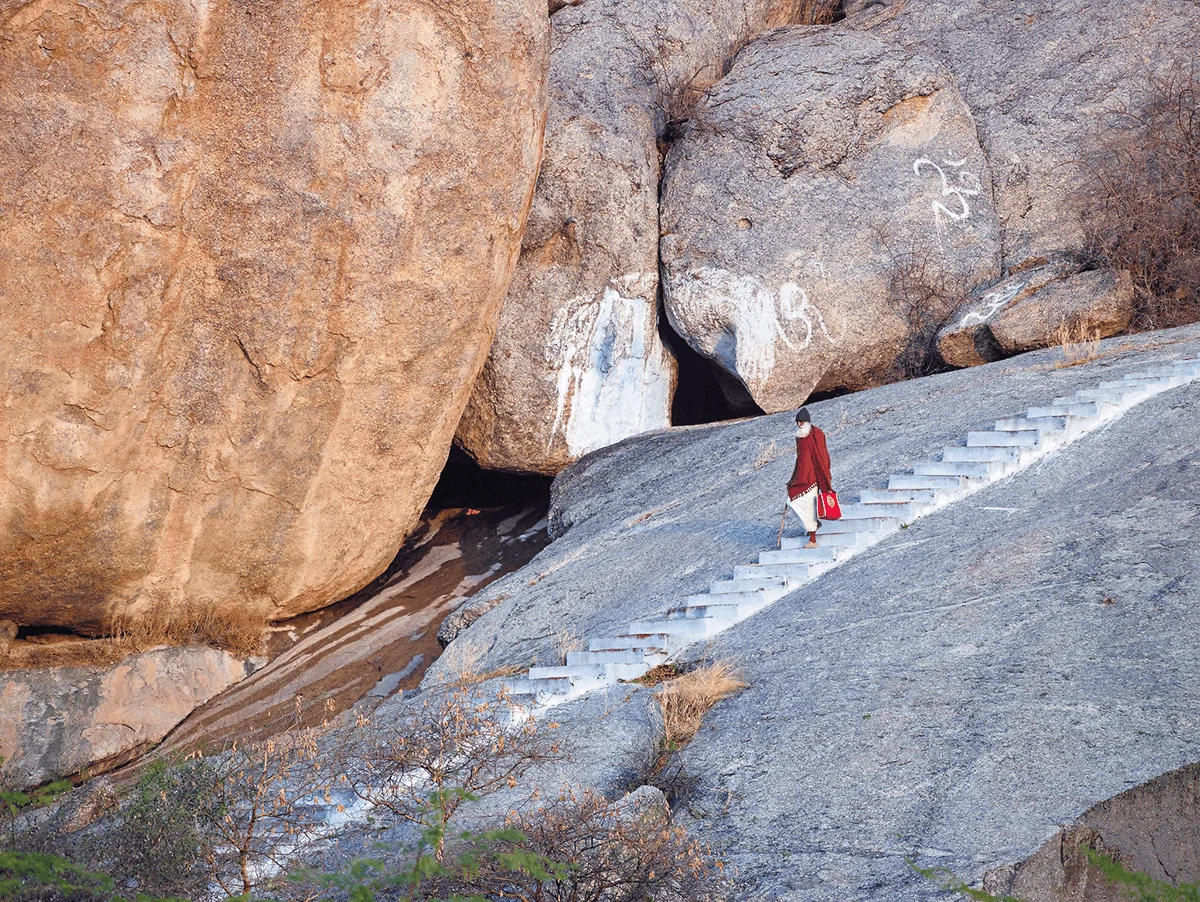
they can temple different to all other temples they temple not visited by a jawai safari tourist but rabari and near living special community always going to this mandir and doing god worship but leopard can't attack on that person beacuse they don't react they understand how to cantrol leopard they visit in her eye and moving without fear then morning and evening leopared always come mandir near and sitting.
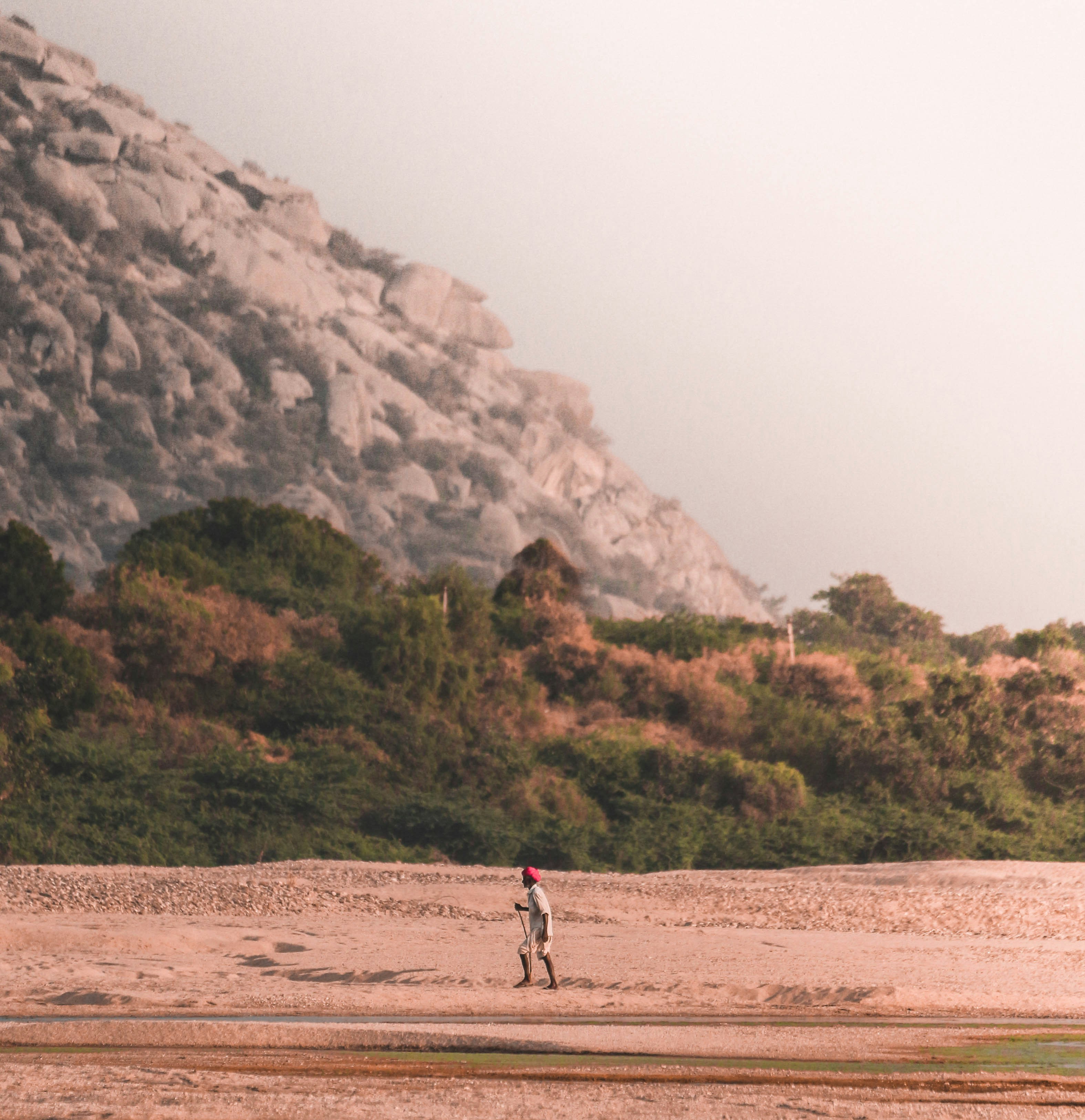
Most visitors come to Jawai searching for leopards. They leave having discovered something far deeper — a landscape where every rock, every hillock, and every wild animal carries spiritual meaning for the communities who have called this place home for centuries. In Jawai, wildlife conservation and religious faith are not separate ideas. They are the same idea. The granite hills that leopards inhabit are not just habitat — they are sacred ground, watched over by ancient temples, local deities, and a living tradition of folklore that explains the extraordinary human-wildlife harmony visitors witness here every single day.
Dev Giri Temple — The Sacred Heart of Jawai
Perched dramatically on one of the highest granite outcrops overlooking the Jawai landscape, Dev Giri Temple is the spiritual centrepiece of this region. The name itself tells the story — Dev meaning God or divine, and Giri meaning hill or mountain — the Hill of God. This ancient temple dedicated to a local form of the Mother Goddess has stood on these rocks for generations, its saffron flags visible from miles across the flat Rajasthan plain.
For the Rabari community and surrounding villages, Dev Giri is not simply a place of worship — it is the living presence of the divine force that protects both the people and the leopards of Jawai. Local belief holds that the Goddess of Dev Giri personally watches over the granite hills, blessing the leopards as her sacred vehicles and ensuring that the ancient bond between human and big cat remains unbroken. To harm a leopard in sight of Dev Giri is considered among the gravest possible offences against the Goddess — a belief that has effectively protected Jawai's leopard population far more powerfully than any government wildlife law.
Visiting Dev Giri Temple
The climb to Dev Giri Temple is a rewarding experience combining spiritual atmosphere with extraordinary panoramic views across the Jawai landscape. From the summit you can see:
- The full expanse of Jawai Bandh reservoir glinting silver in the distance
- Rabari villages nestled among the granite formations below
- The same rocky outcrops where leopards rest during daylight hours
- The Aravalli hills stretching endlessly toward the horizon
The best time to visit Dev Giri Temple is early morning just after sunrise when soft golden light falls across the landscape below and the temple bells ring for morning prayers. Local worshippers — mostly Rabari women carrying flower offerings and clay lamps — make the climb barefoot as an act of devotion, their silver anklets ringing on the ancient stone path.
Temple Etiquette for Visitors
- Remove footwear before entering the temple shrine area
- Dress modestly — covered shoulders and legs are required
- Ask permission before photographing worshippers or religious ceremonies
- Do not touch the main deity idol unless invited by the temple priest
- Small offerings of flowers, coconut, or sweets are welcome and appreciated
- Maintain silence during active prayer — observe respectfully without interrupting
The Folklore of the Sacred Leopard
Every culture that lives alongside powerful wild animals develops stories to explain and honour that relationship. The Rabari community of Jawai has one of the richest collections of leopard folklore in India — a living oral tradition passed from grandparent to grandchild across countless generations around evening fires.
The Legend of the First Leopard of Jawai
The most widely told Rabari origin story about the leopards of Jawai describes a time long ago when the first Rabari families arrived in this region after a long migration from Sindh. Exhausted and uncertain, they camped at the base of the granite hills and prayed to the Mother Goddess for protection and guidance. That night, a leopard descended from the rocks and sat peacefully at the edge of their camp — not threatening, not hunting, simply present. The Rabari elders interpreted this as a direct sign from the Goddess — the leopard was her messenger, telling the people that this land was their home and that she would protect them here. From that night forward the leopard was declared sacred, and not one Rabari hand has been raised against a Jawai leopard since.
The Belief That Leopards Carry Departed Souls
Among older Rabari community members at Jawai, a deeply held belief exists that leopards sometimes carry the souls of respected ancestors. When a particularly old or distinctive leopard is seen near a village — especially one that shows no fear of humans and seems to observe people with unusual calm and intelligence — elders sometimes identify it as the presence of a departed family elder returned to check on the wellbeing of the community. This belief adds an additional layer of protection to individual leopards and makes any thought of harming them spiritually unthinkable for devout Rabari families.
The Leopard as Rain Bringer
In the semi-arid Rajasthan landscape where rainfall is precious and unpredictable, the Rabari also associate leopard presence with agricultural blessing. A local belief holds that the continued presence of leopards on the sacred hills guarantees that the monsoon rains will come. Villages where leopards have been seen frequently in the months before monsoon are considered blessed. This belief practically means that Rabari communities actively want leopards present near their settlements — the exact opposite of the fear and conflict that characterises human-leopard relations in most other parts of India.
Other Sacred Sites in the Jawai Landscape
Ancient Rock Temples and Carved Shrines
Scattered across the Jawai granite formations are small rock-cut shrines and carved deity figures that predate the Rabari settlement of this region by centuries. Many of these carvings depict the Mother Goddess in various forms — some show figures that wildlife historians believe may represent leopards or big cats, suggesting that the sacred status of the leopard in this landscape stretches back to ancient times long before recorded history.
Your local guide can show you several of these carved rock shrines during safari — they are easy to miss if you do not know where to look but deeply moving when you find them, small stone figures still receiving daily flower offerings from passing Rabari herders thousands of years after they were first carved.
The Sacred Banyan Trees of Bera Village
Several enormous ancient banyan trees in and around Bera village are considered sacred by local communities and function as outdoor community temples. Colourful cloth offerings, clay horses, and small oil lamps surround their massive trunks. These trees are believed to be inhabited by protective spirits and serve as gathering points for community prayer and decision making. Sitting quietly beneath one of these ancient trees at dawn — watching Rabari cattle pass, hearing temple bells from Dev Giri in the distance, and knowing leopards are waking on the rocks above — is one of the most atmospheric experiences Jawai offers.
Local Festivals and Spiritual Celebrations at Jawai
Navratri at Dev Giri Temple
The nine-night festival of Navratri celebrated twice yearly (March-April and September-October) transforms Dev Giri Temple into a centre of extraordinary devotion. Hundreds of worshippers from surrounding villages climb the sacred hill carrying oil lamps, flower garlands, and offerings. All-night devotional singing fills the valley below the temple with music that echoes off the same granite rocks where leopards sleep. Witnessing Navratri at Dev Giri is one of the most memorable cultural experiences available in all of Rajasthan — and almost no tourist knows it exists.
Purnima — Full Moon Worship
Every full moon night — called Purnima — Rabari women gather at small local shrines and the base of Dev Giri hill for moonlight prayers. The full moon holds special significance in Rabari spiritual tradition as a time when the boundary between the physical and spiritual world becomes thin. On Purnima nights leopards are sometimes seen on the hilltops above the praying women — a sight that local people consider an auspicious blessing from the Goddess. For visiting photographers and travellers, a Purnima evening at Jawai is one of the most quietly beautiful experiences this destination offers.
Makar Sankranti Cattle Festival
In mid-January the festival of Makar Sankranti is celebrated at Jawai with special significance for the Rabari community. Cattle are decorated with bright colours, flowers, and bells. Prayers are offered for the health of the herd and for continued protection from the Goddess of Dev Giri. The decorated cattle moving across the golden winter landscape with granite hills and leopard rocks behind them create extraordinary photographic opportunities that combine wildlife, culture, and spirituality in a single unforgettable frame.
What the Spiritual Tradition of Jawai Teaches Modern Conservation
Conservation scientists worldwide increasingly recognise what the Rabari have always known — that lasting wildlife protection requires communities to feel a personal, emotional, and spiritual connection to the animals they live alongside. Rules and government penalties alone cannot protect wildlife from determined human pressure. But faith, folklore, and cultural identity can — and at Jawai they have done exactly that for centuries.
The sacred leopards of Dev Giri hill are arguably India's greatest example of faith-based conservation — a living proof that when a community believes an animal is divine, no hunter, no poacher, and no government needs to stand between the animal and safety. The Goddess of Dev Giri has been doing that job alone for longer than anyone can remember.
How to Experience Jawai's Spiritual Side During Your Visit
- Ask your camp to arrange an early morning visit to Dev Giri Temple before your safari
- Request a cultural walk through Bera village with a local Rabari guide who can share folklore stories
- Check if your visit dates coincide with Navratri or a Purnima night for the most atmospheric experience
- Visit the carved rock shrines on the hillsides — your guide will know their locations
- Sit quietly beneath the sacred banyan trees in Bera village at dawn for a deeply peaceful start to your day
- Listen — every Rabari elder at Jawai carries stories about leopards, gods, and the sacred hills that no book has ever recorded
Final Thoughts — The Soul of Jawai
Jawai is a place that rewards the curious traveller who looks beyond the leopard safari itinerary. Beneath the wildlife destination that the world is discovering lies something older, quieter, and profoundly moving — a landscape where granite hills are altars, leopards are gods, and an ancient community has kept a sacred promise to the wild world for more generations than anyone can count.
Visit Dev Giri Temple at sunrise. Listen to the folklore. Watch the full moon rise over the leopard hills. And you will understand why Jawai is not just a wildlife destination — it is a sacred place.
Book Your Official Jawai Safari & Stay Package
Don't miss out on peak sighting hours! Reserve your authorized 4x4 gypsy safari and hotel stay with us today.
You Might Also Like