The Human-Leopard Bond: Discovering the Rabari Tribe of Jawai
A Bond Unlike Anything Else in the Wildlife World
the bond beetween leopard and rabari community beacuse behind his reason beacuse leopard are not attack in group of people they can only attack single person and leopard always attack that people not taken any wood and other item who can help to save life to leopard and rabari community understand leopard feeling they can giving to leopard to his goat he can moving morning and evening time with goat to going his house then he know leopard can attack one goat then they don't react they understand leopard feeling and hotels person give rabari community to money for that good work to help to come new customer visit jawai type incredible place.
In most parts of the world, leopards and humans are enemies. Farmers shoot leopards to protect livestock. Governments relocate them. Communities fear them. But in a small corner of Rajasthan's Pali district, something extraordinary and almost unbelievable happens every single day — wild leopards walk freely through village streets, past sleeping children and grazing cattle, completely unharmed and unafraid. This is Jawai, and this miracle exists because of one remarkable community — the Rabari tribe.
Who Are the Rabari People?
The Rabari are a semi-nomadic tribal community originally from the Sindh and Kutch regions of northwestern India. Over centuries, many Rabari families settled in Rajasthan, particularly in the Pali, Barmer, and Jaisalmer districts. They are traditionally cattle and camel herders — deeply connected to the land, animals, and nature in ways that modern society has largely forgotten.
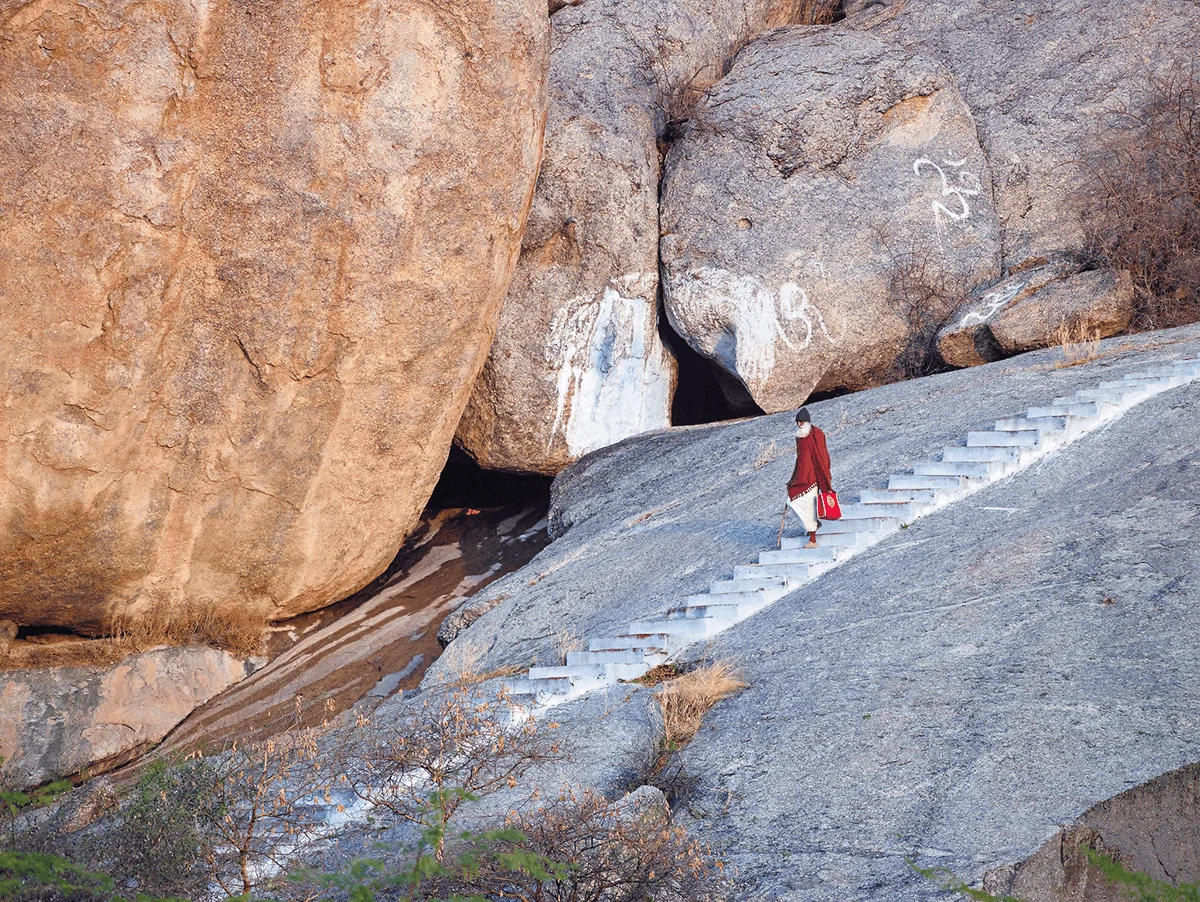
In Jawai, the Rabari have lived among the granite Aravalli hillocks for generations. Their small villages of mud-brick homes, decorated with colourful geometric paintings, sit at the base of the same rocky outcrops where leopards den and raise their cubs. For the Rabari, the leopard is not a threat. It is a neighbour — and more importantly, it is a sacred guardian.
Why Do the Rabari Consider Leopards Sacred?
The Rabari community follows a deep spiritual tradition centred on Mata — the Mother Goddess. In their belief system, the leopard is considered to be the vehicle and protector of the Goddess. Killing or harming a leopard is considered a severe sin that would bring misfortune to the entire village. This religious belief has been passed down through generations and remains just as strong today as it was centuries ago.
This sacred status means that even when a leopard occasionally takes a goat or sheep from a Rabari family — which does happen — the family accepts the loss without anger or retaliation. They consider it an offering to the Goddess. This extraordinary level of tolerance is the foundation of everything that makes Jawai unique in the world of wildlife conservation.
How Do Leopards and Rabari Villages Coexist Daily?
The coexistence at Jawai is not just spiritual — it is deeply practical and daily. Here is what this remarkable relationship looks like on the ground:
- Leopards regularly walk through Rabari villages at night without incident
- Cubs are raised in rock crevices just metres from human homes
- Rabari women wash clothes and collect water near leopard denning sites without fear
- Children play outdoors in villages where leopards are known to roam after dark
- Rabari herders graze cattle on hillsides occupied by leopards daily
Wildlife researchers who have studied Jawai are consistently amazed by this coexistence. In most Indian villages, a single leopard sighting near a settlement triggers panic, official complaints, and demands for the animal's removal. In Jawai, leopards are reported to Rabari elders with the same calm tone one might use to report seeing a neighbour's dog.
The Rabari as Jawai's True Wildlife Guardians
Long before eco-tourism arrived at Jawai, long before luxury tented camps and wildlife photographers discovered this region — the Rabari were already protecting these leopards simply through their faith and way of life. No government programme created this conservation success. No wildlife NGO established the rules. The Rabari tribe built one of India's most effective leopard sanctuaries purely through culture, belief, and coexistence.
Today wildlife experts acknowledge that the Jawai leopard population — estimated at 50 to 60 individuals in a relatively small area — exists at this remarkable density directly because of Rabari protection over centuries. Without their tolerance and spiritual guardianship, these leopards would almost certainly have been hunted or driven away long ago like in most other parts of India.
Rabari Culture — What to Expect When You Visit
Visiting a Rabari village as part of your Jawai safari experience is something truly special. Here is what you will observe:
Traditional Clothing
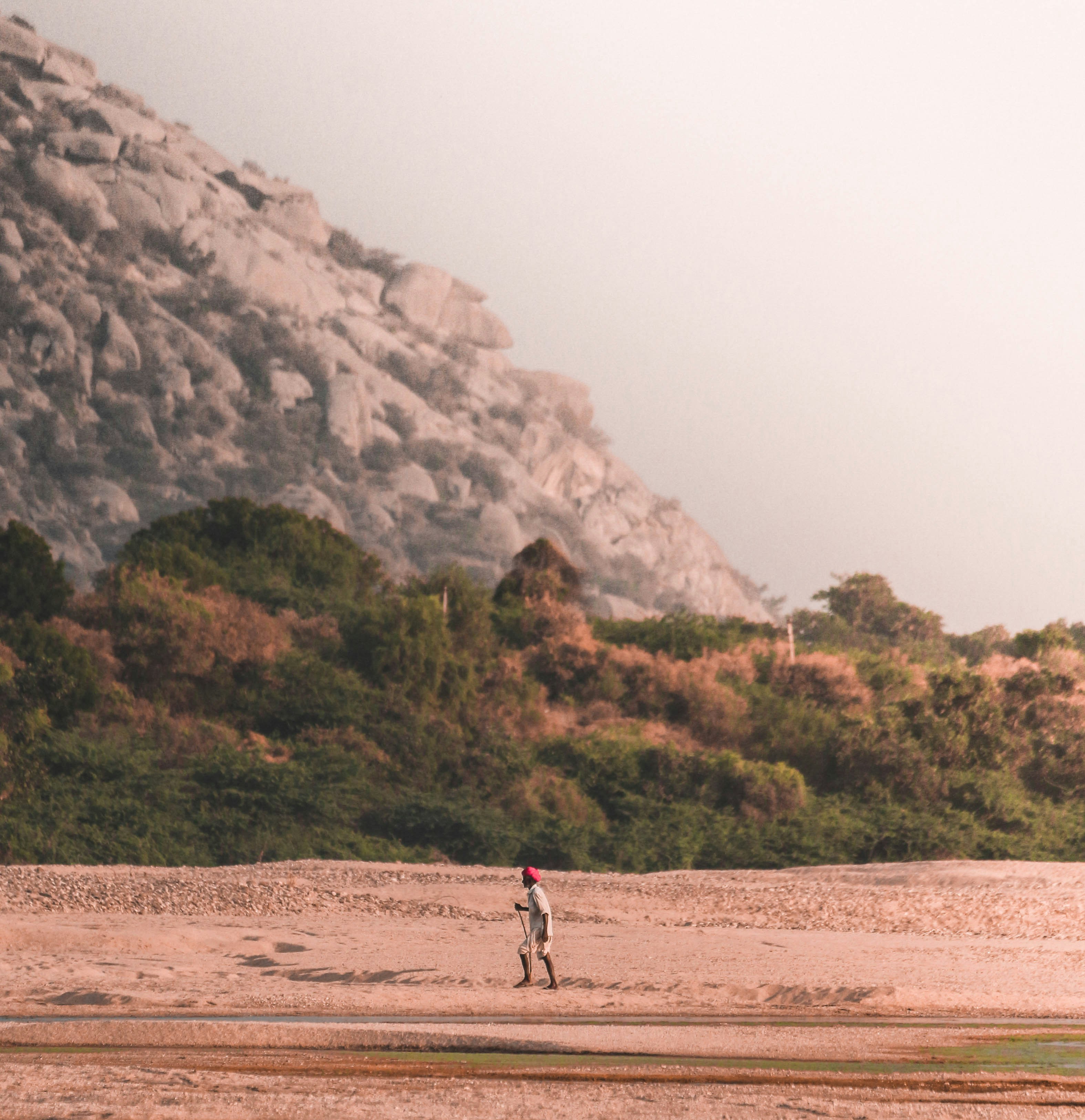
Rabari men are immediately recognisable by their white angarkha (long tunic), white dhoti, and distinctive red or white turbans. Many older men have elaborate tattoos on their arms and chests — a traditional Rabari practice marking important life events. Rabari women wear heavily embroidered black or dark red clothing with extensive silver jewellery — large nose rings, stacked bangles, and anklets that jingle as they walk.
Embroidery and Handicrafts
Rabari women are renowned across Rajasthan and Gujarat for their extraordinary hand embroidery. Their intricate needlework featuring animal motifs, geometric patterns, and mirror work is sold across India and internationally. Many Jawai safari camps sell authentic Rabari embroidery directly supporting local artisan families. Buying a piece of Rabari embroidery from a village is one of the most meaningful souvenirs you can bring home from Jawai.
Village Homes
Rabari homes at Jawai are built from local mud and stone, often painted with bold geometric patterns in white, blue, and red. The walls sometimes feature hand-painted animals — camels, peacocks, and yes, leopards — reflecting their deep connection to wildlife. Courtyards are kept clean and decorated with rangoli-style patterns during festivals.
The Role of Cattle
Cattle are the economic and spiritual heart of Rabari life. A family's wealth is measured in animals. Cows, camels, goats, and sheep graze freely across the Jawai landscape every morning, herded by Rabari men who have known every rock and path in this terrain since childhood. It is these same herders who know every leopard in the area by sight — tracking their movements with an expertise that rivals any trained wildlife biologist.
What Jawai's Success Teaches the World About Conservation
Conservation scientists and wildlife organisations worldwide have studied the Jawai model with great interest. The standard approach to wildlife conservation in India often involves removing human communities from wildlife areas — creating national parks and wildlife sanctuaries where local people are excluded. The Jawai model proves this approach is not always necessary or even effective.
When local communities have a deep cultural and spiritual connection to wildlife, they become its most powerful protectors. The Rabari did not need government rangers or electric fences to protect Jawai's leopards. They needed only their faith — and centuries of living proof that humans and leopards can share the same land in peace.
How Tourism is Changing Rabari Life — For Better and Worse
The rapid growth of wildlife tourism at Jawai over the last decade has brought real economic benefits to Rabari families. Many work as safari guides, camp staff, and cultural hosts — earning income that supplements traditional herding. Several Rabari guides have become internationally respected leopard trackers, featured in wildlife documentaries and photography publications worldwide.
However, tourism also brings pressure. Rising land values, increased vehicle traffic near denning sites, and outside cultural influences are slowly changing traditional Rabari life. Responsible tourism that employs local Rabari guides, buys directly from Rabari artisans, and respects village boundaries is essential to ensure that tourism strengthens rather than erodes this extraordinary cultural relationship.
Tips for Respectfully Visiting Rabari Villages at Jawai
- Always visit with a local Rabari guide — never enter a village unannounced
- Ask permission before photographing people, especially women and children
- Buy embroidery and handicrafts directly from Rabari women when possible
- Do not give sweets or money directly to children — it encourages dependency
- Dress modestly when visiting villages — covered shoulders and legs
- Listen more than you speak — Rabari elders have extraordinary knowledge to share
The Rabari and the Leopard — A Story Worth Protecting
In a world where human-wildlife conflict makes headlines every week, the story of the Rabari tribe and the leopards of Jawai stands as a rare and precious example of what is possible when culture, faith, and coexistence align. This is not a managed conservation project. It is not a government initiative. It is simply a community that decided, centuries ago, that the leopard deserved to live — and has kept that promise every single day since.
When you visit Jawai and watch a leopard sitting calmly on a rock while a Rabari herder walks his cattle just below — you are not just watching wildlife. You are witnessing one of the most important conservation stories on the planet. Come with respect, leave with wonder, and tell this story to everyone you know.
Book Your Official Jawai Safari & Stay Package
Don't miss out on peak sighting hours! Reserve your authorized 4x4 gypsy safari and hotel stay with us today.
You Might Also Like