Jawai Photography Guide: How to Capture the Perfect Leopard Shot
Why Jawai is a Wildlife Photographer's Dream Destination
Jawai is not just India's best leopard watching destination — it is one of the finest wildlife photography locations in all of Asia. The combination of leopards resting openly on dramatic granite rock formations, golden Rajasthan light, colourful Rabari culture, and the stunning Jawai Bandh reservoir creates photographic opportunities that are almost impossible to find anywhere else in the world. Whether you shoot with a professional DSLR or a modern smartphone, this guide will help you come home with images you are truly proud of.
Best Time of Day for Leopard Photography at Jawai
Lighting is everything in wildlife photography and Jawai rewards photographers who understand how light changes through the day.
Golden Hour Morning — 6:00 AM to 8:00 AM
This is the single best window for leopard photography at Jawai. The soft warm light of early morning falls perfectly on the orange and grey granite rocks, creating a natural studio backdrop for leopard portraits. Leopards are most active at this time — moving, stretching, grooming, and settling into visible resting positions after their night hunts. The combination of active animals and beautiful light makes the first two hours after sunrise unmissable for serious photographers.
Midday — 10:00 AM to 3:00 PM
Avoid midday photography if possible. Harsh overhead sun creates deep shadows, blown highlights, and flat unflattering light on animal fur. Leopards also rest and hide during midday heat making sightings less frequent. Use this time to rest, review your shots, and prepare for the evening session.
Golden Hour Evening — 4:30 PM to 6:30 PM
Evening light at Jawai is dramatic and warm. The setting sun turns the Aravalli rocks deep orange and red, creating stunning silhouette opportunities and richly coloured portrait shots. Leopards become active again as temperatures drop. Bring a longer lens for evening sessions as light fades faster than you expect — you will need every millimetre of focal length to maintain shutter speed in lower light.
Best Camera Equipment for Jawai Leopard Photography
Recommended Lenses
Lens choice is the most important equipment decision for Jawai wildlife photography. Here is what works best:
- 400mm f/5.6 or 500mm f/6.3 — Ideal for leopard portraits from safari jeep distance. Sharp, lightweight, and affordable compared to larger super-telephotos
- 100–400mm zoom — The most versatile choice for Jawai. Gives you flexibility for both distant rock shots and closer encounters
- 600mm or 800mm prime — For professional photographers wanting maximum detail in leopard eye and fur shots. Heavy but delivers exceptional results
- 70–200mm f/2.8 — Useful for Rabari village photography and wider environmental shots showing leopards in their landscape context
Important: A minimum of 300mm is recommended for leopard photography at Jawai. Anything shorter will produce small, distant animal images that lack the impact of true wildlife portraits.
Camera Body Settings
Use these baseline settings for Jawai leopard photography and adjust as light conditions change:
- Shooting Mode: Aperture Priority (Av) for resting leopards — Manual for controlled light situations
- Shutter Speed: Minimum 1/800s for stationary leopards — 1/1600s or faster for moving animals
- Aperture: f/5.6 to f/8 for sharp focus across the full animal body
- ISO: Keep at 400–800 in good light — push to 1600–3200 in early morning or evening if needed
- Autofocus Mode: Continuous AF (AI Servo on Canon, AF-C on Nikon and Sony) — always track moving subjects
- Drive Mode: High speed continuous burst — shoot sequences during movement and behaviour changes
- White Balance: Auto or Cloudy for warm golden tones in morning and evening light
Essential Accessories
- Beanbag — Place on jeep door for stable telephoto support. Far more practical than a tripod inside a moving vehicle
- Extra batteries — Cold mornings drain batteries faster. Always carry minimum two fully charged spares
- Large memory cards — Burst shooting fills cards quickly. Bring at least 128GB total capacity
- Lens cloth — Rajasthan dust is fine and persistent. Clean front element before every safari
- UV filter — Protects front lens element from dust and accidental knocks inside the jeep
Positioning and Composition Tips for Jawai
Get Low for Better Perspective
The most common mistake wildlife photographers make is shooting from too high an angle — looking down at the animal. Whenever possible, get your camera as low as possible inside the jeep to shoot at or near eye level with the leopard. Eye-level shots create immediate emotional connection and a sense of being in the leopard's world rather than observing it from above.
Use the Rocks as Natural Frames
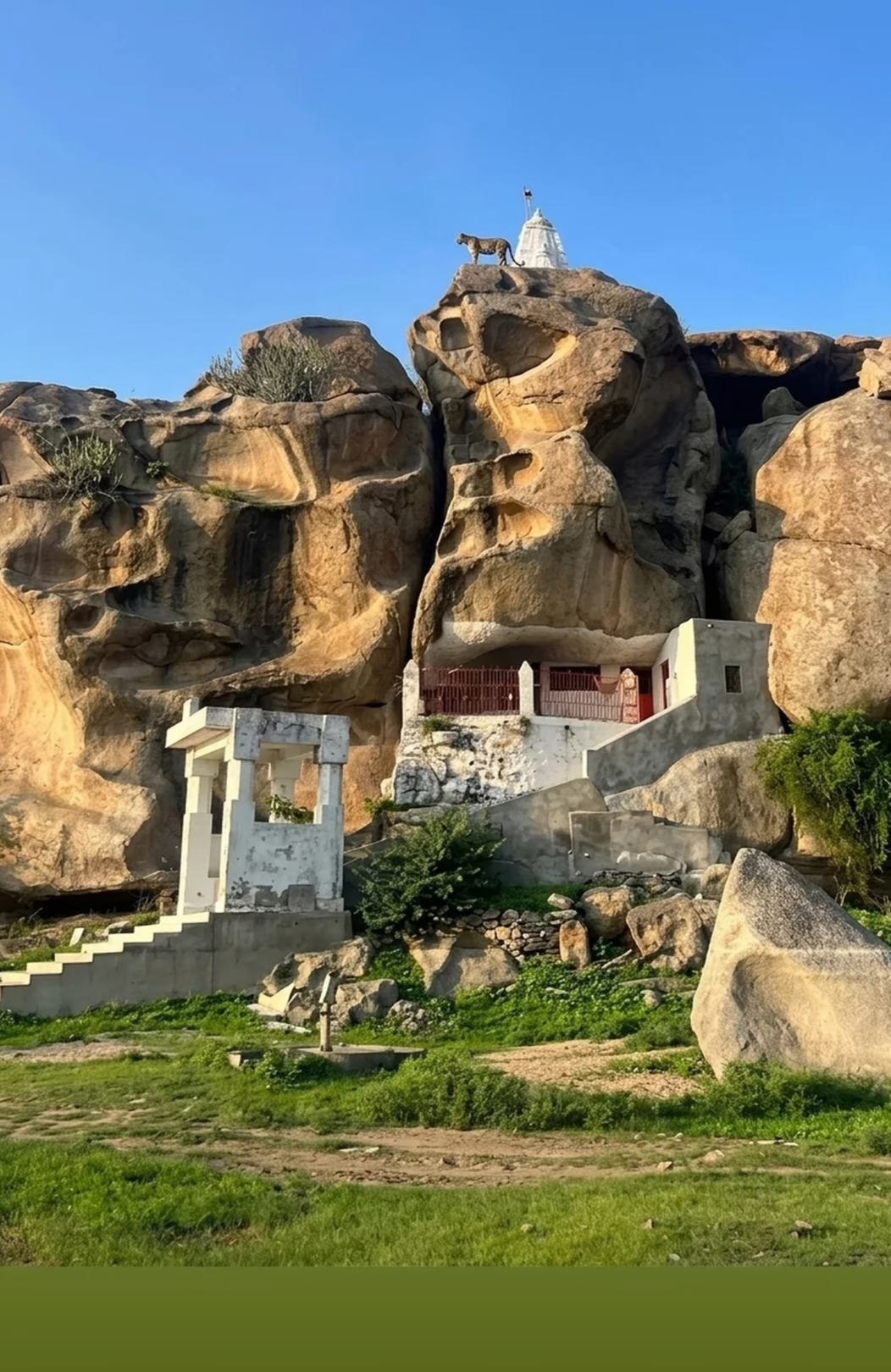
Jawai's granite formations are not just backgrounds — they are compositional tools. Look for opportunities to frame a leopard between two boulders, silhouette it against the skyline of a hillock, or place it on a rock with foreground boulders creating natural depth. These environmental shots are often more powerful than tight portrait crops.
Include the Landscape
Some of the most celebrated Jawai photographs show a leopard as a relatively small subject within the vast Aravalli landscape — a small spotted shape on an enormous orange rock face with the blue Jawai Bandh reservoir glinting in the background. Do not always zoom to maximum — pull back occasionally and let the landscape tell the full story of this extraordinary place.
Watch for Behaviour Moments
The most memorable wildlife photographs capture behaviour — not just an animal sitting still. At Jawai watch specifically for:
- A leopard yawning — showing full teeth and tongue in morning stretch
- Eye contact moments — when the leopard looks directly at your vehicle
- Cubs playing near den entrances — incredibly rare and precious shots
- A leopard descending a rock face — dynamic movement against static granite
- Rabari herder and leopard in the same frame — the ultimate Jawai shot
Smartphone Photography Tips for Jawai
Not everyone visits Jawai with a professional camera setup — and that is completely fine. Modern smartphones can produce excellent wildlife images with the right approach:
- Use Pro or Manual mode on your phone camera — set ISO manually and increase shutter speed
- Tap to focus on the leopard's eye before shooting — do not rely on automatic subject detection
- Use burst mode for moving animals — hold the shutter button and select the sharpest frame afterward
- Avoid digital zoom beyond 3x — it reduces sharpness dramatically. Get as close as your guide safely allows instead
- Shoot in RAW format if your phone supports it — gives far more editing flexibility than JPEG
- Use a mini gorilla tripod clamped to the jeep door for stability during low light shots
Photographing Beyond Leopards at Jawai
Jawai offers extraordinary photography opportunities beyond the big cats. Do not leave without photographing these subjects:
Jawai Bandh Reservoir
Arrive at the reservoir at sunrise for mirror-still water reflections of flamingos, painted storks, and cranes. A wide angle lens captures the full spectacle of thousands of birds against a pink and orange sky. This is among the finest bird photography locations in Rajasthan.
Mugger Crocodiles
Large mugger crocodiles bask on the banks of Jawai Bandh in the morning sun. A 300–400mm lens from the reservoir edge produces detailed reptile portraits with beautiful water backgrounds.
Rabari People and Culture
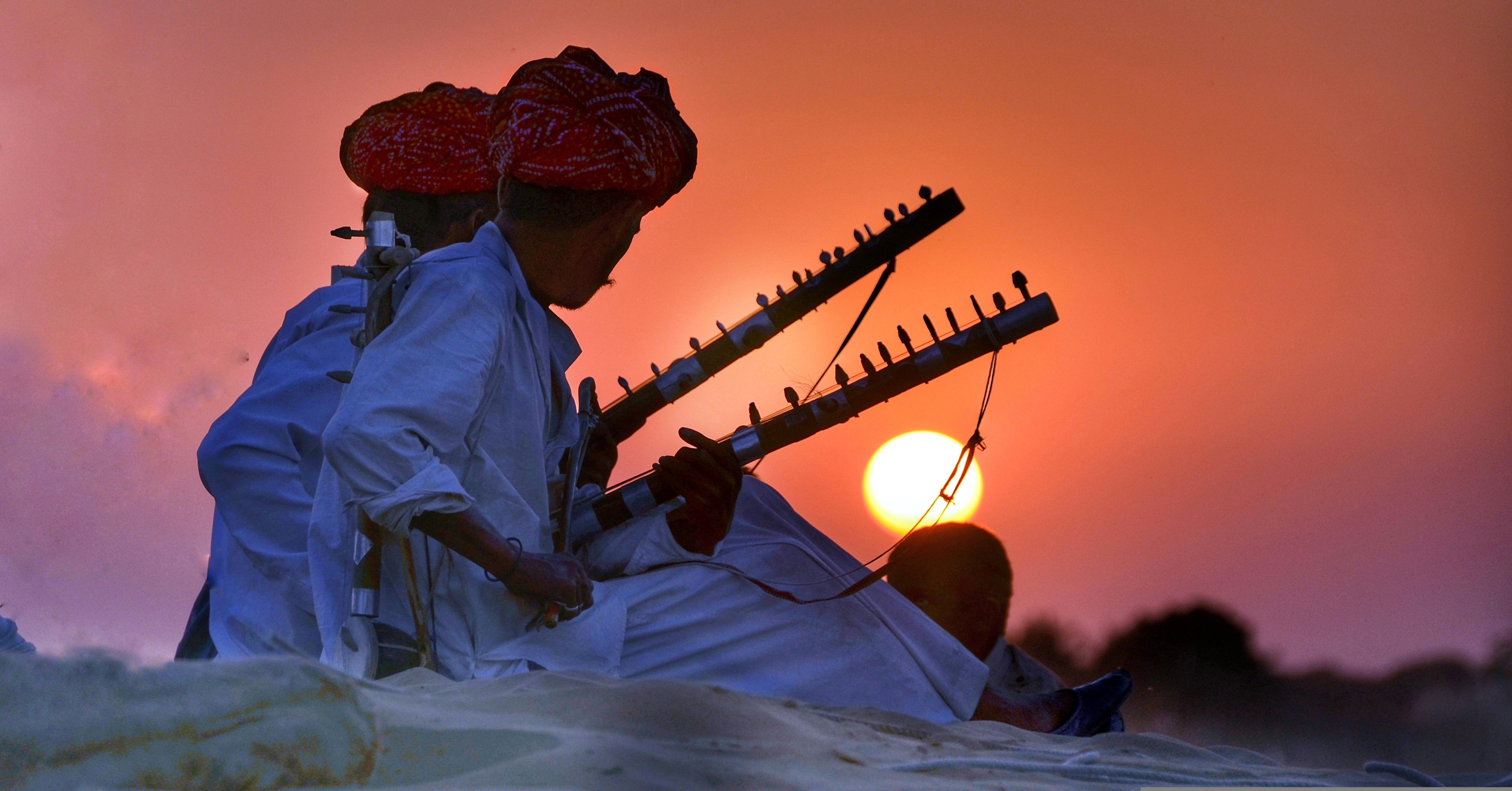
With permission, portraits of Rabari men in white turbans and women in embroidered black clothing against the desert landscape are visually stunning. Use a 85mm or 135mm portrait lens for flattering natural light people photography. Always ask permission first and show your subject the image — it creates trust and often leads to more relaxed and authentic portraits.
Village Life at Golden Hour
Evening light falling on decorated Rabari mud homes, cattle returning to village, and smoke rising from cooking fires creates timeless documentary photography opportunities that many visitors overlook entirely while focused only on leopards.
Ethical Wildlife Photography at Jawai
Jawai's extraordinary leopard population exists because of the Rabari community's centuries of protection. As a visiting photographer you have a responsibility to ensure your presence does not disturb or stress the animals:
- Never ask your guide to move closer if a leopard shows stress signals — flattened ears, crouching, or moving away from the vehicle
- Never use flash photography on wildlife — it startles animals and damages their night vision
- Do not play leopard calls or sounds from your phone to attract animals — this is harmful and unethical
- Respect denning sites — if a leopard has cubs nearby, maintain extra distance and limit your time at the location
- Follow your guide's instructions at all times — they know these leopards personally and will always prioritise animal welfare over a photograph
The best wildlife photographers understand that the animal's comfort always comes before the perfect shot. A relaxed, undisturbed leopard will always give you better photographs than a stressed one anyway — so ethical practice and great photography go hand in hand at Jawai.
Final Thoughts: Jawai Through Your Lens
Jawai offers wildlife photographers something genuinely rare — a place where extraordinary animals live openly in a stunning landscape alongside a remarkable human community, all bathed in the magnificent light of Rajasthan. Whether you are shooting your first wildlife images on a smartphone or adding to a professional portfolio with a ₹5 lakh telephoto lens, Jawai will give you photographs that stop people mid-scroll every single time. Come prepared, shoot ethically, and let Jawai work its magic through your lens.
Book Your Official Jawai Safari & Stay Package
Don't miss out on peak sighting hours! Reserve your authorized 4x4 gypsy safari and hotel stay with us today.
You Might Also Like